High Water Sound is synonymous with premium listening systems, vinyl playback, high-end two channel audio and great attention to detail. If you’re someone who enjoys listening to music in a traditional stereo setup, rather than that of mass-market products, then, High Water Sound is a special way to create a full-fledged listening.
High Water Sound is not limited to a single speaker, amplifier or turntable, but is linked to a variety of high quality speaker lines and products. It is frequently used in turntables, cartridges, tonearms, amplification, loudspeakers, cables, equipment supports and room-tuning products.
To audiophiles, High Water Sound is more than specs. It’s important to match equipment, set up the space, play back on the analog system, be efficient with the system, and present the music.
If you are building a system, our guides to Van L Speakerworks and Golden Speaker show how other brands approach sound quality, while the best powered speakers for turntable guide covers a simpler setup. Stereophile also publishes detailed turntable reviews for readers who want more depth.
Featured Answer: What Is High Water Sound?
High Water Sound is a New York-based high-end audio specialist associated with premium two-channel music systems, analog playback equipment, loudspeakers, amplifiers, turntables, cartridges, and related accessories. It is also known for presenting carefully assembled audio systems at major hi-fi shows and demonstrations.
High Water Sound Quick Facts
|
Feature |
Details |
|
Main focus |
High-end two-channel audio |
|
Location |
New York City |
|
Popular equipment |
Speakers, turntables, amplifiers, cartridges |
|
Listening format |
Strong focus on vinyl and stereo playback |
|
System style |
Carefully matched specialist equipment |
|
Target listener |
Audiophiles and serious music enthusiasts |
|
Main keyword |
high water sound |
The official High Water Sound website lists a New York address and a selection of brands covering loudspeakers, amplification, analog equipment, accessories, power products, and room-related components.
What Makes High Water Sound Different?
The most prominent feature of High Water Sound is the focus on the entire audio system, not just one element of it.
Even a top-notch turntable is not going to be at its peak until the cartridge, phono stage, amplifier, speakers, and configuration are all properly matched. The High Water Sound approach is one way to often show how various components can be used in concert as a whole system.
This makes High Water Sound useful to people who want to learn about system matching rather than purchase equipment based on specs.
High Water Sound and Vinyl Playback
The High Water Sound identity is an important component of vinyl playback.
High Water Sound audio-shows have often featured high quality turntables, tonearms, cartridges, phono stages and large collections of vinyl.
Here’s a list of some of the components that could be part of a serious analog setup:
- Turntable
- Tonearm
- Phono cartridge
- Phono preamplifier
- Main amplifier
- Loudspeakers
- Isolation platform
- Suitable cabling
Individuals carefully set up vinyl sound playback can showcase the level of detail that can be achieved with these components matched.
Turntables Used in High-End Systems
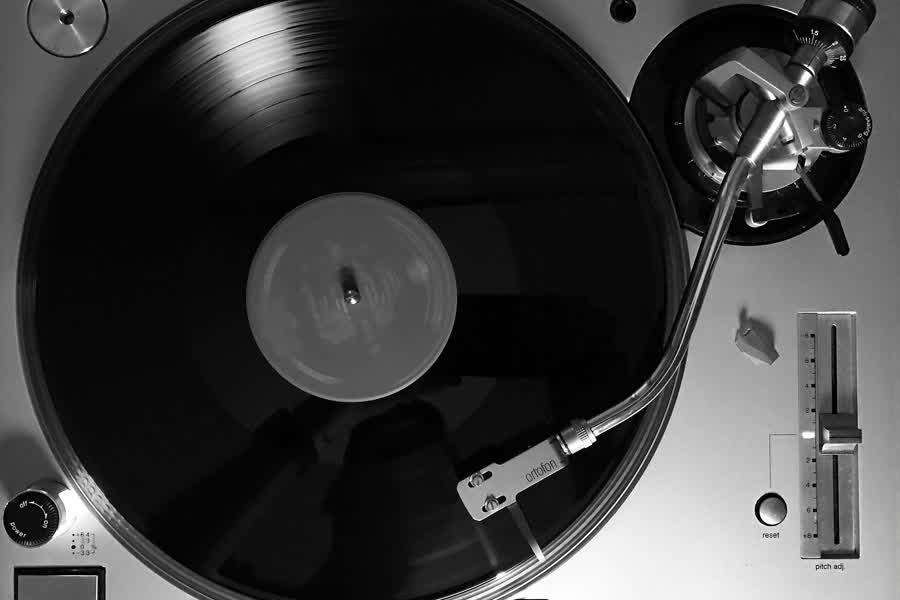
One of the most significant parts of many High Water Sound demos is the turntable.
For instance, a 2023 show system is reported by Stereophile, featuring a TW-Acustic Raven LS-3 Copper turntable, multiple tonearms and cartridges. A High Water Sound demonstration also featured a Torqueo Audio Exclusive idler drive turntable in 2025.
This demonstrates that High Water Sound isn’t restricted to any one turntable design.
The turntable can be belt driven, direct driven or idler driven, depending on the used system.
The key is how the whole analog source sits in the rest of the High Water Sound system.
High Water Sound Speakers
Another key component of the High Water Sound experience are the speakers.
Several brands of high quality loudspeakers have been used in various demonstrations. Cessaro Horn Acoustics Wagner II speakers were used in a 2023 system, and the 2025 Capital AudioFest system was the first to use Zeiler Audio SP-01 loudspeakers in the U.S.
This variety implies that there is no one design of High Water Sound speaker.
Rather, speakers are chosen based on system objectives, amplification, room size, efficiency and listener preference.
Horn Speakers and High Water Sound
The horn loudspeaker has been used many times in High Water Sound systems.
High level of sensitivity and dynamic range is often an advantage of horn designs. They can be used with lower power amplifiers in a suitable combination.
A High Water Sound horn-based system can then be a combination of a sensitive speaker and specialized tube amplification.
But, placement of the rooms is important. There may be strong interaction between the large horn speaker and the room, so the position of the speaker and the distance listeners can be from the speaker should be designed carefully.
Amplifiers and System Matching
The amplifier is used to power the speakers, but more watts is not necessarily better sound.
Tube amplification and dedicated high end electronics have all been used on High Water Sound demos.
Some of the amplifiers that have been used in earlier demonstrations and a 2023 system featured TW-Acustic Raven 300B monoblock amplifiers.
An efficient loudspeaker system, which may be connected to a High Water Sound system, doesn’t need to have an extremely powerful amplifier.
Rather, the amplifier quality, speaker sensitivity, impedance, room size and listening level must all play their part.
High Water Sound and 300B Amplifiers
The amplifier is used to power the speakers, but more watts is not necessarily better sound.
Tube amplification and dedicated high end electronics have all been used on High Water Sound demos.
Some of the amplifiers that have been used in earlier demonstrations and a 2023 system featured TW-Acustic Raven 300B monoblock amplifiers.
An efficient loudspeaker system, which may be connected to a High Water Sound system, doesn’t need to have an extremely powerful amplifier.
Rather, the amplifier quality, speaker sensitivity, impedance, room size and listening level must all play their part.
Cartridges and Tonearms
A vinyl system depends heavily on the cartridge and tonearm.
The cartridge reads the record groove and produces the electrical signal that eventually becomes music. Even an expensive High Water Sound turntable system requires correct cartridge alignment and tracking force.
Reported High Water Sound show systems have used cartridges from brands such as Ortofon, Miyajima, and Fuuga.
Different cartridges can change:
- Tonal balance
- Tracking ability
- Detail retrieval
- Output level
- Compatibility with the phono stage
This is why High Water Sound system building involves more than choosing the most expensive cartridge.
Phono Stage Importance
A phono cartridge produces a very small electrical signal.
A phono stage amplifies this signal and applies the required equalization before sending it to the main amplifier.
In a High Water Sound vinyl system, the phono stage can therefore be as important as the turntable itself.
Matching cartridge output with the phono stage is essential, especially when using low-output moving-coil cartridges.
Room Acoustics and High Water Sound
Room acoustics can significantly affect any stereo system.
Even premium High Water Sound components may perform poorly if the speakers are placed incorrectly or the room creates strong reflections and bass problems.
Show reports have noted the use of acoustic tuning products and equipment-support systems in High Water Sound rooms.
Room setup can affect:
- Bass response
- Stereo imaging
- Soundstage depth
- Vocal positioning
- Treble balance
- Overall clarity
A properly positioned High Water Sound system can therefore sound very different from the same equipment placed without careful setup.
Equipment Isolation
Turntables are sensitive to vibration.
Footsteps, speakers, furniture, and building movement can transfer unwanted energy into an analog system.
For this reason, High Water Sound demonstrations have used specialist equipment racks and isolation products.
Good isolation can help a High Water Sound turntable maintain stable playback and reduce unwanted vibration.
High Water Sound and Cables
Cables are another part of the signal chain.
The official High Water Sound product list includes brands offering cables, power products, and audio accessories.
Cable selection should be based on compatibility, appropriate length, good connectors, and sensible system integration.
When setting up High Water Sound equipment, the core components and room setup should normally receive attention before small accessory changes.
Who Is High Water Sound For?
High Water Sound is primarily relevant to people interested in specialist stereo equipment and high-quality music reproduction.
It may appeal to:
- Vinyl collectors
- Two-channel audio enthusiasts
- Tube amplifier fans
- Horn speaker enthusiasts
- Audiophiles building premium systems
- Listeners interested in analog playback
- Buyers who value equipment matching
For someone looking only for a small Bluetooth speaker, High Water Sound may represent a very different category of audio.
High Water Sound vs Regular Consumer Audio
Regular consumer audio often focuses on convenience.
Soundbars, wireless speakers, Bluetooth systems, and smart speakers are designed to provide quick setup.
High Water Sound focuses more strongly on dedicated stereo playback and specialized components.
A typical consumer setup may use one powered speaker.
A High Water Sound system could include a separate turntable, cartridge, phono stage, preamplifier, power amplifier, speakers, cables, racks, and room-tuning accessories.
Neither approach is automatically suitable for everyone. They serve different listening priorities.
Building a High Water Sound Style System
You do not necessarily need to reproduce an expensive audio-show setup to follow the basic High Water Sound philosophy.
Start with good system matching.
Choose speakers appropriate for your room. Then select an amplifier capable of driving those speakers correctly.
If vinyl is your main source, spend time selecting a suitable turntable, cartridge, and phono stage.
Finally, position the speakers carefully and control unnecessary vibration.
This approach reflects an important lesson from High Water Sound systems: every part of the playback chain matters.
Buying Checklist
Before building a system inspired by High Water Sound, check:
- Speaker sensitivity
- Speaker impedance
- Amplifier power
- Room size
- Turntable design
- Tonearm compatibility
- Cartridge type
- Phono-stage compatibility
- Equipment isolation
- Speaker positioning
- Cable requirements
- Upgrade options
- Service availability
- Overall budget
Following this checklist can help you create a more balanced High Water Sound style setup.
Setup Tips for Better Sound
Place speakers away from walls when the design requires breathing space.
Make sure the turntable is level.
Set cartridge tracking force correctly.
Keep records and the stylus clean.
Do not place a turntable directly beside a powerful speaker.
A High Water Sound system can benefit greatly from small positioning adjustments before expensive component upgrades are considered.
Is High Water Sound Worth Exploring?
For listeners interested in high-end analog audio, High Water Sound is worth researching because it provides examples of carefully assembled specialist systems.
The appeal of High Water Sound is not simply expensive equipment. It is the combination of components, vinyl playback, speaker matching, room setup, and system tuning.
Someone building an audio system can learn from this approach even with a much smaller budget.
Final Thoughts
High Water Sound represents a specialized side of two-channel audio where vinyl playback, premium loudspeakers, amplification, cartridges, turntables, and careful system setup come together.
The strongest lesson from High Water Sound is that audio performance depends on the complete system.
A premium amplifier alone cannot fix unsuitable speakers. An expensive turntable cannot compensate for poor cartridge alignment. Excellent speakers cannot perform their best in a badly arranged room.
For serious music listeners, High Water Sound shows why system matching and setup deserve as much attention as individual equipment.
Whether you are building a premium vinyl system or simply learning more about audiophile equipment, studying High Water Sound can provide useful ideas about turntables, speakers, amplifiers, room acoustics, and analog playback.
FAQs
What is High Water Sound?
High Water Sound is a New York-based specialist associated with high-end two-channel audio equipment, analog playback, speakers, amplifiers, and carefully matched listening systems.
Does High Water Sound focus on vinyl?
Yes. High Water Sound demonstrations frequently feature turntables, tonearms, cartridges, phono stages, and vinyl records.
What speakers does High Water Sound use?
High Water Sound has demonstrated multiple speaker brands and models, including Cessaro Horn Acoustics and Zeiler Audio products.
Does High Water Sound use tube amplifiers?
Yes. Several High Water Sound show systems have used tube-based amplification, including 300B designs.
Is High Water Sound only for expensive systems?
The company operates in the premium audio market, but the principles demonstrated by High Water Sound, such as component matching, correct setup, and speaker placement, can also be applied to less expensive systems.
Where is High Water Sound located?
The official website lists High Water Sound at 274 Water Street, New York, NY.
Is room setup important for High Water Sound equipment?
Yes. Proper speaker positioning, vibration control, and room acoustics can significantly affect a High Water Sound system.
What should I consider before building a High Water Sound style system?
Consider your room, speakers, amplifier compatibility, vinyl source equipment, cartridge, phono stage, isolation, and overall budget before building a High Water Sound inspired setup.