If you're searching for anticables, odds are you're searching for one thing, that is, do these audio cables worth a shot?
Anticables is a cable company that features on hi-fi forums and among cable enthusiasts. There is a strong opinion on both sides and a simple buy is complicated.
This guide explains what anticables are, the variety of products available and what owners have to say, as well as how to do fair testing. At the end of the book, there are answers to frequently asked questions.
For related advice, read our guides to choosing an amplifier for your speakers, external DAC vs built-in DAC and top speaker brands.
What Are Anticables?
Anticables are cables designed for use in home audio applications. It was designed by the designer whose name is often mentioned in the owner reviews, Paul Speltz.
There are three types of ranges:
- Speaker cables
- Interconnects
- Power cords
They each have different functions. With this knowledge you can determine where anticables can be incorporated into your system.
For more reviews and hi-fi advice, see What Hi-Fi?.
Why the Name Gets So Much Attention
There are queries regarding ‘anti’. The majority of hi-fi cables are bulky, heavy and costly. The speaker cables of the brand are the other way around. One owner spoke of their extreme thinness, and said sound was far from cheap. stereonet
It is this difference that causes the controversy about anticables. There are some listeners who enjoy the sound. Some would like a normal cable. The two reactions occur both frequently.
Main Types of Anticables Products
Speaker Cables
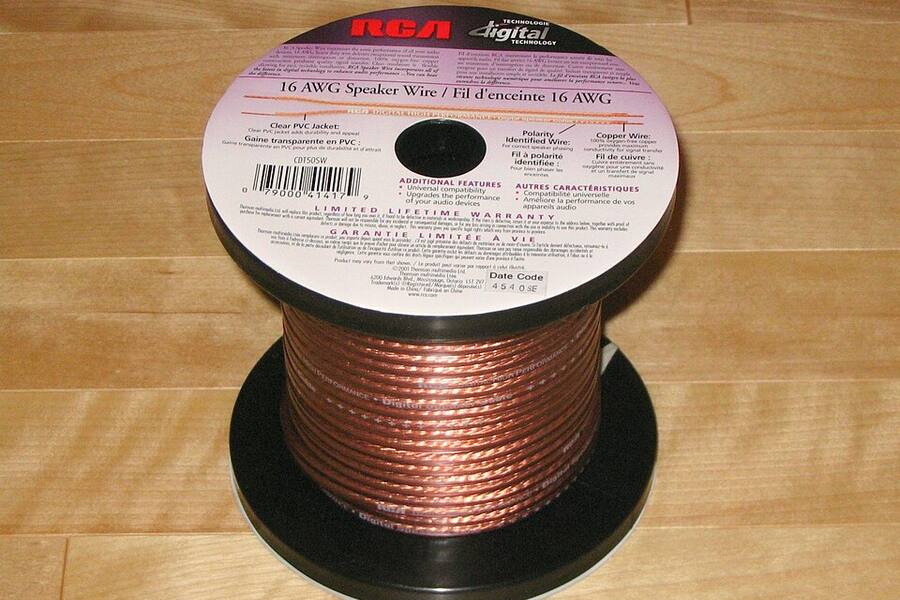
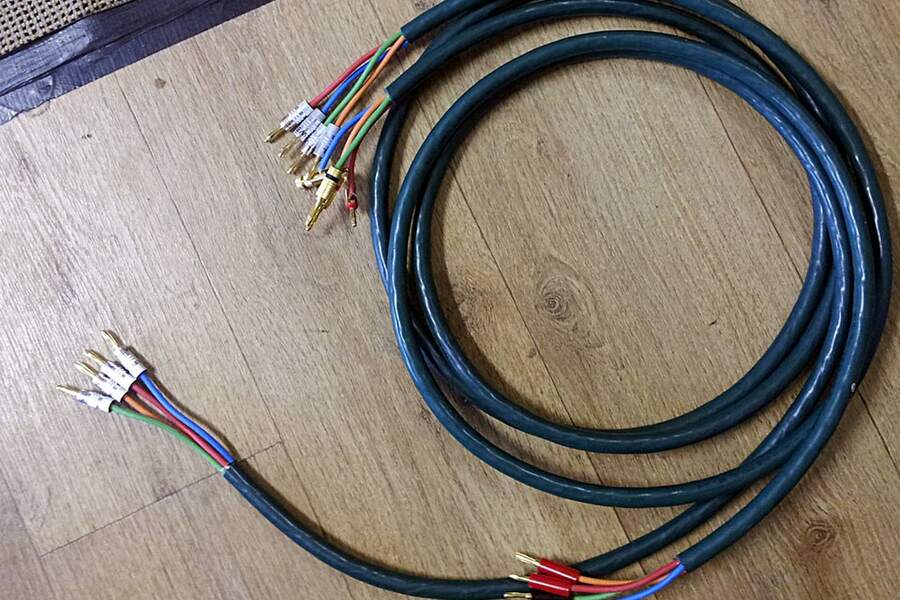
Speaker Cables are used to link your amplifier to your speaker(s). Anticables speaker cables are renowned for their thin design. Many owners install their own plugs (banana plugs). Some attach bare wire, instead.
Costs associated with plugs can also be a real cost. One owner reported that the worth of the plugs was many times the worth of the cables. Before purchasing, do your best to plan your entire budget.
Interconnects
The items that plug a source device (such as a DAC or CD player) into your preamp or amp are called interconnects.
The brand's interconnects are recommended to be used in combination with the speaker cables for synergy, according to some owners. This is a personal opinion, NOT a rule. The speaker cables work for you, next step may be the interconnects.
Power Cords
The mains power is provided to the parts by mains cables. The level 3 power cord is a top quality 8 gauge triple cord, branded as such, and is the most in demand for their customers.
“That's their term for it, go ahead and use it as a marketing tool till they say otherwise.” For those looking to purchase anticables power cords, it is good to begin with the Level 3 that is easily read.
What Do Users Say About Anticables?
Reviews are mixed. This is a typical trait of cable products.
But some owners boast of clean mids and vocals. Others claimed that the cables outperformed their more expensive counterparts from the get-go.
Others, however, griped that they were too light and thin on the bass end when mated to a popular budget star quad. After a few weeks of adoption, another owner told them that they were bright.
There are also a couple of threads about break-in time. Some owners claim that a wait of 400-500 hrs will let the sound settle. This statement is only anecdotal and not a rule. audiogonaudiogon
However, it's a simple fact to say that anticables can sound great in one system, and awful in another. It has to do with your room, speakers, amplifier and taste.
Are Anticables Worth Trying?
They might be appropriate for you when you:
- Try and play with your system!
- Desire an various to heavy and pricey cables?
- Can comfortably fit their own plugs.
- Has the ability to compare them to one's own cable
May not be suitable for the following:
- Searching for a guaranteed success improvement?
- Use pre-manufactured cables that have been pre-cut.
- Cables are an intrinsic part of the instrument, and always sound good.
The cable chat is not something that can be imagined. Others are able to tell the difference. Others hear none. Don't have too high of expectations, Anticables fit into that discussion.
How to Get the Best Results From These Cables
A fair test matters more than a quick opinion. Follow these steps.
1. Make Clean, Tight Connections
Loose or dirty contacts can hurt sound with any cable. Some owners note that the wire carries an insulating coating that must be removed for bare-wire connections. Check the maker’s guidance before you strip anything .
2. Choose Good Terminations
Quality plugs help make sure the connector is not the weak point in your chain. Match the plug type to your amplifier and speaker terminals.
3. Allow Time
Many owners report a long break-in. Listen over several weeks before judging them.
4. Compare Fairly
Match the volume, use the same tracks, and switch back and forth. Test anticables against your current cable, not against memory.
5. Route Carefully
Thin cables can be delicate. Keep them away from speaker cones and sharp edges. One owner admitted he almost pushed a cable through a speaker cone.
Anticables vs Standard Cables
Here is a quick look at how the two compare, based on owner reports.
|
Feature |
Anticables |
Typical retail cables |
|
Look |
Speaker cables are very slim |
Often thicker and bulkier |
|
Plugs |
Many owners add their own |
Often pre-terminated |
|
Sound opinions |
Divided among owners |
Varies widely by brand |
|
Where sold |
Brand website, some resellers |
Stores and online shops |
The table shows differences in build and buying style. It does not rank sound quality. Only your own ears can do that.
Where to Buy and What to Check
The brand is sold directly from their website and the refurbished products are available in audio resellers.
When you buy, make sure to read the seller's terms and conditions and the features of the item. There are some used listings, and some re-sale pages say they're out of stock.
Prices and stocks may vary, please refer the latest on official website.
Final Thoughts
Anticables are not wands and they don't work for everyone! They're a new type of audio cable, and an extremely enthusiastic consumer base.
The facts are straight. Reviews are mixed. Obviously, you have to take the word of the break-ins with a grain of salt. Plugs can add cost. Marketing until you experience it first-hand, the brand’s own claims.
For those who like to do hands-on tuning, and who don't like to spend a lot of money on cables, it might be a fun experiment to try a pair. Establish a budget, test fairly and purchase from a seller with definite return policy.
Above all, listen to what your own ears tell you in your own room! This is the only review to be taken into consideration.
FAQs
What are anticables?
Anticables are audio cables sold under a brand linked to Paul Speltz. The range includes speaker cables, interconnects, and power cords for home hi-fi systems.
Do anticables need break-in time?
Many owners say yes and mention hundreds of hours. That is user opinion, not a proven fact. Give them several weeks before you decide.
Can I use banana plugs with these cables?
Yes, many owners fit banana plugs or spades, and some use bare wire. Choose good plugs and keep in mind that they add to the total cost.
Are they expensive?
Owners often describe them as affordable next to high-end cables, though plugs add cost. Prices change, so check the official site.
Will they work with my amplifier?
Speaker cables connect to standard speaker terminals. Check your amplifier’s terminal type and decide which plugs you need before ordering.
Do cables really change the sound?
Listeners disagree. Some hear clear differences, while others hear none. Test at home and trust your own ears.