A Music system for car enhance the enjoyable of driving by enhancing clarity, bass, connectivity, and control. Whether you play music, podcasts, or radio, the right setup can make a difference.
Many drivers consider the music system in their car more than simply a loud loudspeaker. The final sound depends on the quality of the speakers, stereo capabilities, the power of the amplifiers, mounting, compatibility and tuning.
The ideal music system for a car can be installed in almost any vehicle. The best configuration will be determined by budget, listening preference and vehicle size.
Related reading: see our guides to high end car audio, Skar speakers and sound system battery choices.
Featured Answer: What Is a Music System for Car?
A music system for car is an in-vehicle audio setup that may include a head unit, speakers, tweeters, subwoofer, amplifier, Bluetooth, USB, and smartphone integration. It should deliver clear sound, balanced bass, and easy control.
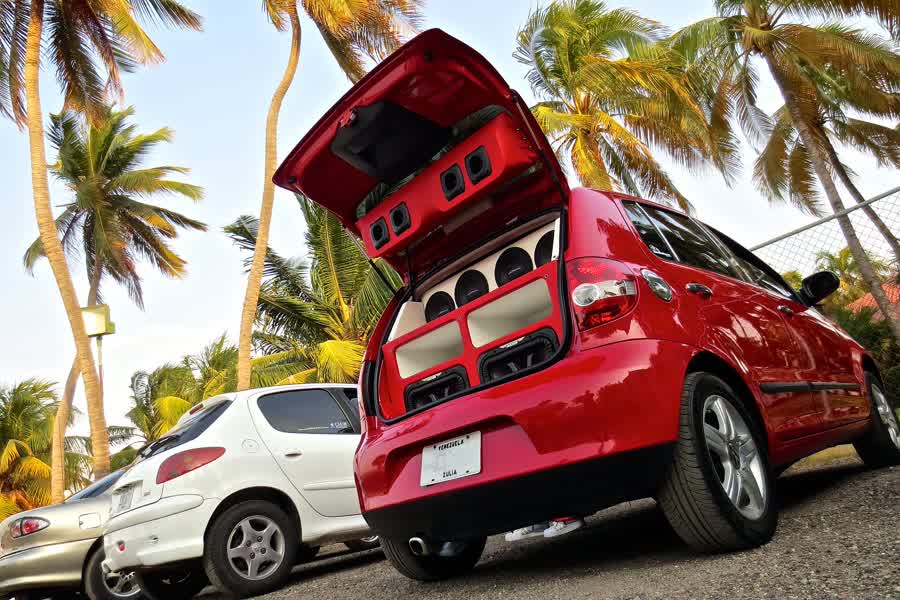
Music System for Car Quick Facts
|
Feature |
Details |
|
Main purpose |
Play music and audio inside a vehicle |
|
Core parts |
Stereo, speakers, amplifier, subwoofer |
|
Common connections |
Bluetooth, USB, AUX, Android Auto, Apple CarPlay |
|
Speaker types |
Coaxial, component, tweeter, subwoofer |
|
Power source |
Vehicle electrical system |
|
Best for |
Daily driving, road trips, entertainment |
|
Main keyword |
music system for car |
Before choosing a music system for car, decide whether clarity, bass, connectivity, or volume matters most.
What Makes a Good Music System for Car?
The primary aim of any car music system is to deliver clear, enjoyable sound at a lower distortion level, while maintaining control on the bass end.
A good set up will run smoothly with the car. The stereo needs to fit in the dashboard, the speakers need to be the same as the factory and the electrical system needs to be able to handle the electrical requirements.
Many new consumers are looking for Bluetooth, USB playback, hands-free calling and phone integration.
Main Parts to Consider
Head Unit or Car Stereo
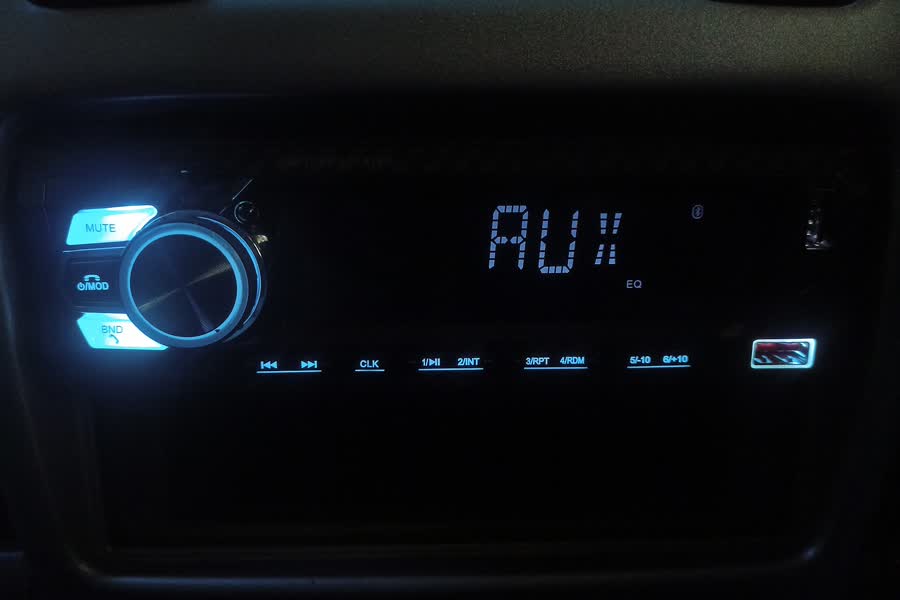
A music system for a car has a head unit as its control center. It controls audio sources and volume, audio settings, calls, and sometimes even the connection to the smartphone.
A modern stereo setup can include a touchscreen stereo with Bluetooth, USB, Android Auto and/or Apple CarPlay. Slightly simpler systems can employ a conventional single-DIN or double-DIN receiver.
Select an audio receiver that has the inputs, outputs and controls you want your system to have.
Speakers
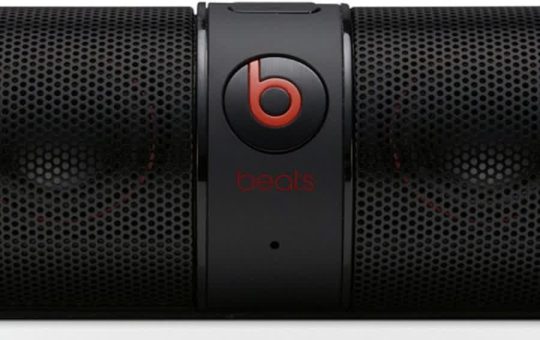
A speaker is a primary voice of the music system in a car. Aftermarket speakers may be better in terms of power handling and detail and factory speakers may be better in terms of basic performance.
The difference between coaxial and component speakers is that coaxial speakers use both drivers as part of a single box, whereas component speakers use a woofer and a tweeter.
Even without an amplifier, quality speakers can enhance vocals, treble and midrange.
Amplifier
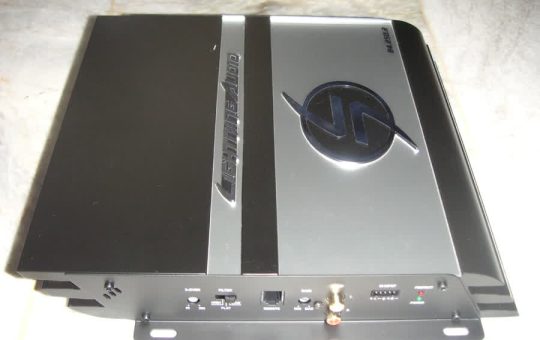
An amplifier is used to add additional power to speakers or a subwoofer. The system can operate without an external amplifier, but if the speakers require more power, then it is possible to use it with an external amplifier.
The amplifier speaker rating must be equal to Rms and impedance of the speaker. Use of proper gain settings are key to withholding cleansound.
Subwoofer
A subwoofer is used to amplify low frequency sounds. One can also be added to a music system for cars to make drums, bass guitar and electronic music sound fuller.
An enclosed powered subwoofer may be the solution for a small cabin or a larger enclosure to give more bass.
There is no need for too much bass in the best setup. The subwoofer should complement and not dominate the main speakers.
Sound Quality and Tuning
High-end parts aren’t the only ingredient in producing good sound. The frequencies need to be balanced and maintained at normal listening levels in a music system for a car.
Bass, Midrange and Treble are adjusted by equalizers. Time alignment and crossovers are also available at some stereos.
When tuning a music system for car, start with a neutral EQ. Before adding a lot of bass or treble, make small changes and use the familiar songs.
Bluetooth and Smartphone Connectivity
One of the most beneficial attributes of contemporary car music system is Bluetooth. It can stream wireless music and make hands-free calls from a compatible phone.
A music system can be used for maps, phone calls, text messaging, and streaming in the car with either Android Auto or Apple CarPlay. Stable audio and charging via USB.
Factory System vs Aftermarket System
A factory setup matches the vehicle, while an aftermarket music system for car can offer more control over sound, power, bass, and connectivity.
Some drivers replace only the speakers, while others add a new head unit, amplifier, and subwoofer.
A full music system for car upgrade should be planned as one system so the parts work well together.
Speaker Size and Compatibility
Before buying a music system for car, check the speaker sizes used in the doors, dashboard, and rear panels. Common sizes include 6.5-inch, 6×9-inch, 5.25-inch, and smaller tweeters.
Mounting depth matters because a deep speaker may interfere with a window or door.
A compatible setup should fit safely without creating rattles or unnecessary modification.
Power Ratings and RMS
When comparing a music system for car, focus on RMS power rather than marketing-oriented peak wattage.
Match the speaker RMS rating with the amplifier output at the correct impedance. This helps the system play loudly and cleanly without excessive stress.
More power does not automatically mean better sound. A well-matched setup can outperform a higher-wattage system that is poorly installed.
Installation and Wiring
Installation quality has a major impact on a music system for car. Secure connections, correct polarity, proper grounding, and suitable wire size help reduce noise and reliability problems.
Amplifier power cables should be fused near the battery, while signal and power wiring should be routed carefully.
Professional installation may help with a complex music system for car that includes factory integration or steering-wheel controls.
Common Upgrade Paths
A basic music system for car upgrade may start with better speakers and a new stereo. Mid-level setups can add an amplifier and subwoofer, while advanced systems may include DSP tuning and custom installation.
Buying Checklist
Before buying a music system for car, check:
- Head unit size and dashboard compatibility
- Speaker size and mounting depth
- RMS power ratings
- Speaker impedance
- Bluetooth support
- USB and AUX inputs
- Android Auto or Apple CarPlay
- RCA preamp outputs
- Amplifier channels
- Subwoofer size and enclosure space
- Steering-wheel control compatibility
- Wiring and installation requirements
- Warranty and service support
This checklist makes it easier to compare each music system for car without focusing only on brand name or maximum wattage.
Setup and Care Tips
Keep the music system for car at a clean listening level while you check for rattles, distortion, or loose connections.
Set amplifier gain correctly, keep speaker grilles clear, and avoid loose objects near subwoofers.
If the music system for car develops noise, cutting out, or distortion, inspect the wiring, grounding, battery connection, and amplifier settings.
Final Thoughts
A music system for car can improve driving with clearer audio, stronger bass, and better connectivity. Compatible parts and careful installation matter most.
The best music system for car is not always the most expensive. Balanced components that match the vehicle can deliver excellent results.
Before buying a music system for car, compare speaker quality, amplifier requirements, smartphone features, installation space, and long-term upgrade options. A carefully selected setup can provide enjoyable sound every day.
FAQs
Is a music system for car worth upgrading?
Yes. A music system for car upgrade can improve clarity, bass, volume, connectivity, and overall listening comfort compared with a basic factory setup.
What are the main parts of a music system for car?
A typical music system for car includes a head unit, speakers, wiring, and sometimes an amplifier, subwoofer, tweeters, or digital signal processor.
Does a music system for car need an amplifier?
Not always. A basic music system for car can run from the stereo, but an amplifier may improve performance with higher-power speakers or a subwoofer.
Can I use Bluetooth with a music system for car?
Yes. Many modern receivers make a music system for car compatible with Bluetooth music streaming and hands-free calling.
Which speakers are best for a music system for car?
The right choice depends on size, power handling, budget, and sound preference. A music system for car can use coaxial speakers for simplicity or component speakers for more flexible sound staging.
Should I add a subwoofer?
A subwoofer is useful when you want deeper bass. It can make a music system for car sound fuller without forcing the door speakers to reproduce the lowest frequencies.
Can I install a music system for car myself?
Simple speaker or stereo replacements may be manageable for experienced DIY users. A complex music system for car with amplifiers, custom wiring, or factory integration may be better handled by a professional installer.
How do I get the best sound from a music system for car?
Use compatible components, correct wiring, proper amplifier gain, sensible EQ settings, and secure speaker installation. A well-tuned music system for car usually sounds better than a poorly adjusted system with more expensive parts.