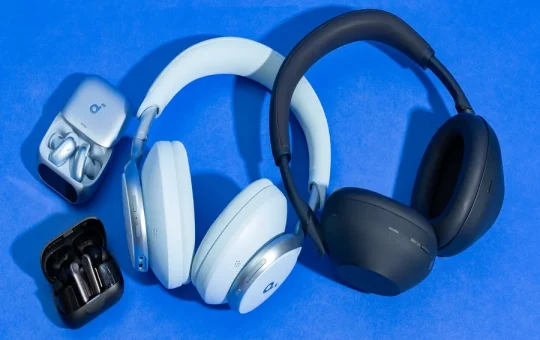
The main often used comparison when purchasing a new pair of headphones is over-ear vs on-ear headphones. The two designs wear over or around the ears; but they are quite different in terms of listening experience.
Headphones are available in several styles, among them over-ear models, which cover the entire ear and on-ear models, which sit on the outside of your ear. The difference will impact comfort levels, sound isolation, portability and duration of wear.
There’s no one correct answer because each design is designed for a specific purpose. While over-ear headphones are typically best for deep listening and extended periods, on-ear headphones are often more convenient and lightweight for travel.
It depends on the place you use headphones, how much time you spend with them on, and your desired audio experience. So,Over-Ear vs On-Ear Headphones: What’s the Difference?
Why Are Headphone Designs So Different?
Usually, the headphones designs are developed on the basis of the various requirements of the users. A bigger headphone isn’t necessarily a better one as each extra size and component has an impact on weight, comfort and portability.
But there are some instances where special designs are needed.
Improved sound experience – Larger ear cups can allow for larger drivers and better sound positioning.
Convenience – Compact headphones are lighter and more convenient to carry and store during commute or flights.
Noise isolation – A closed system has a greater capacity for noise reduction without amplification of unwanted noise from outside.
Fatigue during prolonged use – The pressure distribution of headphones influences fatigue during prolonged use.
Lifestyle needs – If you’re an audiophile, you may find studio-grade audio to be your top priority, or if you’re on-the-go, perhaps lightweight headphones are more your style.
Remember, better is subject to the situation. If you want to listen to music at home, over-ear headphones are a better choice, but if you prefer a smaller and cooler headphones, on-ear headphones are the better option.
Over-Ear vs On-Ear Headphones: The Main Difference
The most significant difference between over ear and on ear headphones is where they rest on your ears.
Over-ear headphones are those that wrap around the ear. The ear doesn’t face into the speaker, which results in a more enclosed listening area.
On-ear headphones feature smaller cushions which sit on the ear. These tend to be lighter and put pressure on the outside of the ear.
| Feature | Over-Ear Headphones | On-Ear Headphones |
| Ear Placement | Surrounds the entire ear | Rests on the ear |
| Comfort | Usually better for long use | Can create ear pressure |
| Sound Isolation | Stronger passive isolation | Less isolation |
| Soundstage | More spacious | More direct |
| Weight | Heavier | Lighter |
| Portability | Less portable | Easier to carry |
| Heat Build-Up | More warmth around ears | Better airflow |
| Best For | Home, studio, gaming | Travel, casual listening |
What Are Over-Ear Headphones?
Over-ear headphones are headphones that are used over the ears. Cushions are used around the ear and do not rest against the ear.
This design provides a sound tight environment to enhance sound isolation and impart a more immersive experience to music.
Over-ear headphones are the common type of studio headphones used by professionals because of the larger sound stage and comfort during long hours of recording.
Advantages of Over-Ear Headphones
Better Sound Quality
The larger the driver of the headphones, and the more space it has for movement, the more over-ear headphones will be able to deliver on sound. This can help to produce better bass, better separation and more natural listening.
More Comfortable for Long Sessions
As the ear cups are around the ear, the pressure is distributed around the head rather than on the ear.
This is why they are well loved by:
- Music producers
- Gamers
- Office workers
- Audiophiles
- Stronger Noise Isolation
Closed back over ear headphones are capable of absorbing a considerable amount of external noise. This makes them handy in offices, aircraft and hectic settings.
More Immersive Listening
The bigger design can produce a more spacious sound stage, giving music, movies and games a more realistic feel.
Disadvantages of Over-Ear Headphones
Although there are benefits to wearing over ear headphones, there are also some drawbacks.
Larger Size
The down-side is portability. Some models over-ear take more space in bags, and may not be suitable for daily commuting.
More Heat
The ear cups are designed to completely cover the ears, which can cause them to get warm when worn for extended periods.
Heavier Design
Large quality headphones may weigh down after a few hours, particularly premium headphones.
What Are On-Ear Headphones?
On-ear headphones have smaller ear cushions that are positioned on the outer ear. They do not totally enclose the ear and hence are smaller and lighter.
They are popular among individuals who prefer a larger sound than earbuds but do not wish to have the size of standard, over-the-ear headphones.
Advantages of On-Ear Headphones
Lightweight Design
On ear headphones are typically lighter, can be shaped into a smaller size and are simpler to transport.
Better Airflow
Ears are not completely closed and this means that there is more air circulation. This can make them more at home in warm places.
More Portable
There are a lot of foldable on-ear models that can be placed into smaller bags.
Natural Awareness
They will not totally prevent the person from hearing noises from the outside, so the user can hear what is happening around them.
Disadvantages of On-Ear Headphones
Less Noise Isolation
The ear cups are not positioned around the ears allowing more outside sound to enter the ear cups.
Ear Pressure
The cushion is directly against the ears. They might cause discomfort to some users after a few hours of wearing.
Smaller Sound Experience
While many over-ear headphones sound great, they tend to be less spacious than larger over ear headphones.
Over-Ear vs On-Ear Headphones Sound Quality Comparison
Sound quality depends on the headphone model, drivers and tuning, not only the design.
However, the physical differences between the two styles can affect the listening experience.
| Sound Factor | Over-Ear | On-Ear |
| Bass Response | Usually stronger | Good but less powerful |
| Soundstage | Wider and more natural | More direct |
| Detail Separation | Often better | Depends on model |
| Isolation | Better | Moderate |
| Studio Use | Common choice | Less common |
Over-ear headphones often have an advantage because the larger enclosure allows more room for acoustic engineering.
However, premium on-ear headphones can still deliver excellent audio quality.
Which Is More Comfortable: Over-Ear or On-Ear?
Comfort depends on personal preference.
For long listening sessions, over-ear headphones usually have an advantage because they avoid constant pressure on the ears.
They are commonly preferred for:
- Gaming sessions
- Movie watching
- Music production
- Long flights
- Work meetings
On-ear headphones may feel better for short periods because they are lighter and less warm.
For people living in hot climates, the airflow of on-ear headphones can be a major advantage.
Are Over-Ear Headphones Better for Gaming?
For gaming, many users prefer over-ear headphones.
The larger ear cups can provide:
- Better positional audio
- Stronger immersion
- Improved comfort during long sessions
- Better microphone placement
However, competitive gamers who need awareness of their surroundings may prefer lightweight on-ear designs.
Are On-Ear Headphones Better for Travel?
On-ear headphones are often easier for travel because they are smaller and lighter.
They can fit into backpacks and small luggage compartments more easily.
However, travelers who frequently use airplanes may prefer over-ear noise-canceling headphones because they provide stronger isolation from engine noise.
Can Over-Ear Headphones Damage Your Ears More?
Neither headphone style is automatically harmful. The main factor is listening volume and duration.
Listening at very high volumes for long periods can increase the risk of hearing damage regardless of whether headphones are over-ear or on-ear.
Using moderate volume levels and taking breaks is important for safer listening.
Over-Ear vs On-Ear Headphones: Which One Should You Buy?
The best choice depends on your priorities.
Choose over-ear headphones if you want:
- Maximum comfort
- Better noise isolation
- Stronger bass
- Immersive sound
- Long listening sessions
Choose on-ear headphones if you want:
- Lightweight design
- Better portability
- More airflow
- Easy daily carrying
- Environmental awareness
Final Thought
Over-ear vs on-ear headphones comes down to how you plan to use them. Over-ear headphones provide a larger, more immersive listening experience with better comfort and isolation, making them popular for gaming, studio work and long sessions.
On-ear headphones focus on portability, lighter weight and convenience. They are easier to carry and can feel more comfortable in warm environments.
Neither design is automatically better for everyone. Over-ear headphones win when comfort and sound immersion matter most, while on-ear headphones are useful when portability and simplicity are the priority.
The best headphone choice depends on your lifestyle, listening habits and where you plan to use them.