The yamaha m2 amplifier is a vintage yamaha stereo power amplifier which can gain the attention of the audio enthusiasts who like to have classic hi-fi equipment. Purchasers might be interested in its sound quality, its construction, whether it will be compatible with their existing sound systems, and how well it holds up to the second-hand market. But buying an older amplifier isn’t about just looking at the name of the amplifier. By knowing what it does, how it works, its history of use and its current condition you can better determine if it meets your listening requirements and budget.
What Is the Yamaha M2 Amplifier?
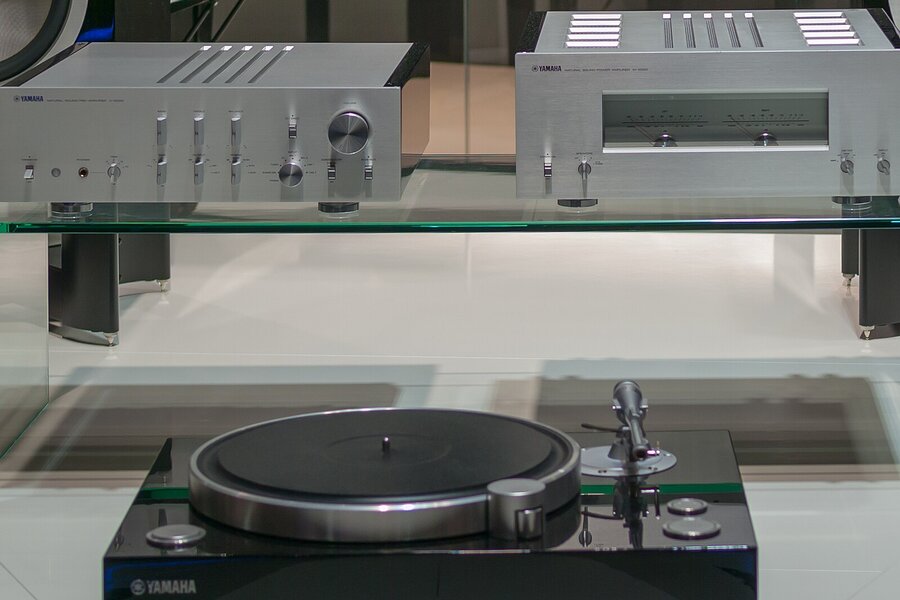
The Yamaha M-2 is a vintage style stereo power amplifier to boost audio signals from a compatible preamplifier or other audio source component. It falls into Yamaha’s staple hi-fi format, where sound reproduction and system integration are crucial.
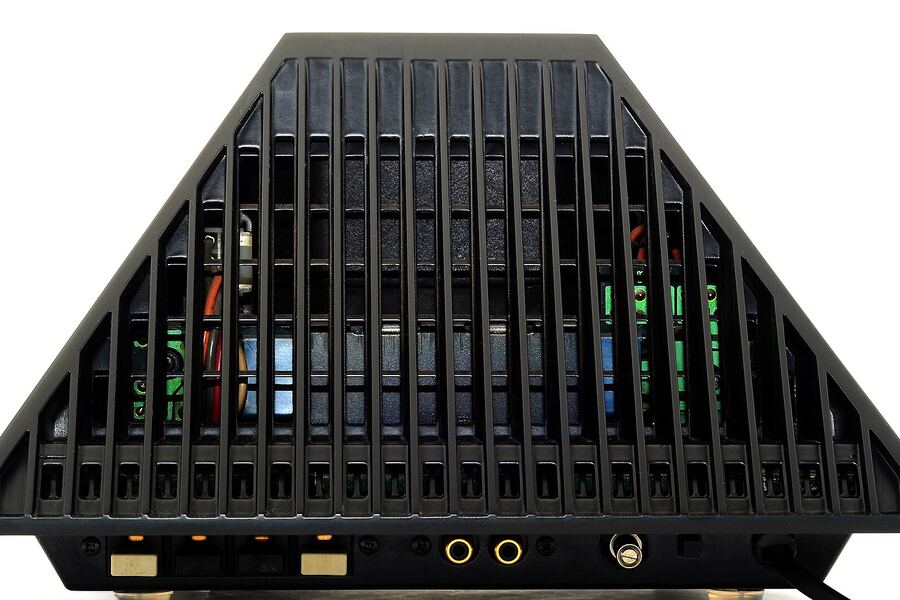
A separate power amplifier typically needs a compatible preamplifier or some other component that offers the necessary output signal and volume control, unlike an integrated amplifier, which includes preamplification and power amplification in a single device.
Related reading: how to choose an amplifier for your speakers, how to build a hi-fi system on a budget and the difference between an integrated amplifier and a receiver.
For those who enjoy collecting audio components or vintage stereo enthusiasts or anyone who desires a traditional component-based audio system, the yamaha m2 amplifier may be of interest.
Older equipment means that the condition of one particular unit could be as significant as its original design. Its performance may be influenced by previous repairs, age, storage and use conditions, and modifications.
Key Features to Consider
Consider the following features when assessing this amplifier: design, technical documentation, operating conditions and compatibility.
For wider audio news and reviews, see the audio coverage at The Verge.
1. Separate Power Amplification
A special power amplifier receives an audio signal and provides the necessary power to amplify the connected passive speakers. This setup enables the user to choose the different preamplifiers, source components and speakers he or she would like.
Check before connecting equipment if the output of the source component is the correct output type and level.
2. Vintage Hi-Fi Construction
Enthusiasts love classic amplifiers due to their traditional design and the elements used in their construction, along with their historical role in home audio setups.
But it does not mean that “old” equates to “good” in terms of sound or reliability. For a user seeking easy installation and low maintenance, a modern, well-maintained amplifier might be more appropriate.
3. Stereo Listening
Stereo power amplifier is designed to drive left/right channel output. If the remainder of the setup is set up properly a compatible speaker pair can be used to produce a stereo listening experience.
The final result depends on correct speaker placement, room acoustics and source quality.
4. Serviceability and Long-Term Ownership
Inspection, cleaning and testing or replacing parts on vintage equipment may be required. The availability of service documentation and an experienced technician can make ownership easier.
If you’re looking for a yamaha m2 amplifier, make sure you inquire about the unit being professionally serviced and if any original parts have been replaced.
Yamaha M2 Amplifier Specifications: What to Verify
Technical specifications should be checked against a reliable manual or official historical documentation rather than guessed from the product name.
|
Specification |
What to check |
|
Amplifier type |
Confirm that the unit is the Yamaha M-2 power amplifier |
|
Power output |
Verify the rated output and the conditions under which it was measured |
|
Speaker impedance |
Check the supported impedance range in the manual |
|
Input sensitivity |
Confirm compatibility with the preamplifier or source |
|
Frequency response |
Review the manufacturer’s published measurement |
|
Dimensions and weight |
Verify before arranging transport or installation |
|
Power requirements |
Match the unit’s voltage and electrical requirements to your location |
|
Service history |
Ask for repair records and recent testing results |
Do not assume that specifications listed for another Yamaha model also apply to the M-2. Different models can have different electrical requirements and performance ratings.
How Is the Sound Quality?
The sound quality will be based on the condition of the amplifier and the complete audio system. The Sound Experience can be influenced by the speaker, source material, room acoustics, and listening volume.
If the vintage amp is functioning properly, then it can deliver the sound that suits the music with compatible components. But it is not accurate to say all of the units are superior to their modern counterparts.
The factors that affect the performance are explained here.
Performance may be impacted by aging caps, poor connections, previous modifications or faults.
Speaker matching: The speakers need to match with the output capabilities and supported load of the amplifier.
Source quality: Bad recordings or source signals that are distorted can restrict listening enjoyment even if the amplifier is good.
Room acoustics: Reflective walls, furniture placement and speaker positioning impact on tonal balance and stereo imaging.
Maintenance: If there are age related faults, proper maintenance will help restore reliable operation.
When buying an actual unit for an accurate assessment, listen to it before you buy. Describing vintage sound is more helpful than just using your favorite music and compatible speaker.
Factors That Influence Performance
Amplifier condition: Aging capacitors, deteriorated connections, previous modifications, or faults can affect performance.
Speaker matching: The speakers must be compatible with the amplifier’s output capabilities and supported load.
Source quality: Poor recordings or distorted source signals can limit the listening experience regardless of the amplifier.
Room acoustics: Reflective walls, furniture placement, and speaker positioning affect tonal balance and stereo imaging.
Maintenance: Proper servicing can help restore reliable operation when age-related faults are present.
For an accurate assessment, listen to the actual unit before purchasing it whenever possible. A demonstration using your preferred music and compatible speakers is more useful than relying on general descriptions of vintage sound.
Yamaha M2 Amplifier vs. an Integrated Amplifier
The main difference is system design. A power amplifier generally handles the power stage, while an integrated amplifier combines a preamplifier and power amplifier.
|
Feature |
Separate power amplifier |
Integrated amplifier |
|
Main function |
Amplifies a suitable input signal to drive speakers |
Combines preamplification and power amplification |
|
Additional equipment |
Usually needs a suitable preamplifier or controller |
Often requires fewer separate components |
|
System flexibility |
Allows independent component selection |
Offers a more compact system |
|
Setup |
Requires attention to connections and gain control |
Often simpler for beginners |
|
Maintenance |
Individual components can be serviced separately |
More functions are housed in one unit |
|
Best suited to |
Component-based hi-fi systems |
Convenient, space-saving audio setups |
The better choice depends on your budget, available equipment, and willingness to maintain vintage components.
How to Choose a Used Yamaha M2 Amplifier
Buying vintage audio equipment requires careful inspection. Photographs alone cannot establish whether an amplifier is working properly.
Inspect the Exterior
Look for damaged corners, corrosion, loose controls, missing parts, and signs of liquid exposure. Minor cosmetic wear may be acceptable, but serious physical damage can indicate poor storage or rough handling.
Ask the seller for clear photographs of the front, rear panel, connectors, and serial or model identification label.
Test Every Channel
If possible, arrange a demonstration with compatible equipment. Check whether both channels produce clean audio and whether the volume remains stable.
Listen for crackling, unexpected distortion, humming, or intermittent sound. These symptoms may indicate a fault, although diagnosis requires proper testing.
Ask About Repairs
Find out whether the amplifier has been serviced by a qualified technician. Request details about replaced components, previous faults, and any outstanding problems.
A recent service record is useful, but it is not a guarantee that every component is in perfect condition.
Verify the Electrical Requirements
Vintage audio equipment may have been manufactured for a different market or mains voltage. Check the unit’s rating plate and documentation before connecting it to power.
Do not assume that a voltage selector is present or that the amplifier can safely operate at your local supply voltage.
Compare the Total Cost
The purchase price is only one part of the cost. Transportation, inspection, servicing, replacement parts, and any necessary accessories should also be considered.
A cheaper unit that needs extensive repairs may cost more overall than a better-maintained example.
Common Problems in Vintage Amplifiers
The components of older electronics may malfunction. Having an understanding of the warning signs enables buyers to ask more questions.
- Hum or buzzing: May be due to problems with grounding, power supply or interference.
- Distorted sound: May be caused by damaged components, wrong connections or a bad source.
- One channel not working: May be due to amplifier, source, cables or speaker.
- Intermittent operation: May be a sign of poor connections and/or poor components.
- Too much heat: May indicate trouble, and needs to be checked by a professional.
- Protection related shutdown: If there is a protection circuit, the activation could be due to a fault or an unsafe operation.
Never open a powered amplifier or work on it unless trained. Supplies parts hold deadly voltage after the computer has been unplugged.
Who Should Buy the Yamaha M2 Amplifier?
If you are a fan of vintage hi-fi components, you already have compatible audio components, or you prefer to have a dedicated preamp/power amp setup, the yamaha m2 amplifier might be the perfect fit for you.
It’s not as desirable when Bluetooth, streaming, HDMI connectivity, built-in room correction, or plug-and-play operation are required. The features are not guaranteed to be available on older equipment.
New home buyers should also check if local technicians are able to perform maintenance and if replacement parts are available or if the owner can provide documentation.
Tips for Getting the Best Performance
After the technician has determined that the amplifier is safe and operational, here are some steps to take in practice:
- Position on a firm surface and well-ventilated.
- Only use compatible speakers and appropriately rated cables.
- Connect the preamplifier to the suitable input.
- Turn the volume down before powering on the system.
- Run according to manufacturer’s guidelines for start-up and shut down.
- Do not plug in or unplug speakers when power on.
- Dust should not be allowed to reach the ventilation openings.
- Schedule a professional inspection if the amplifier generates abnormal sounds, heat, or erratic performance.
The following techniques will help to protect the amplifier and speakers.
Final Thoughts
If you like vintage-style stereo gear and the option to use separate audio components, the yamaha m2 amplifier is a good choice to consider. But the final choice will depend on the specific unit, service history, technical compatibility, and overall ownership expenses.
Check the specifications with trustworthy records, test both channels, confirm electrical needs, and plan for professional servicing as necessary, prior to buying. After careful consideration, you’ll be able to decide if this classic amplifier should be part of your audio system.
FAQs
1. Yamaha M2 is a power amplifier?
Yes. Yamaha M-2 is a stereo power amplifier. It is usually required to be connected to a compatible preamplifier or to a suitable signal source to be controlled and to provide its input signal.
2. Can I connect the Yamaha M2 right to my telephone?
Typically not as a full, ready-to-use system. The audio interface or preamplifier arrangement as well as the volume control must be suitable for the phone. Before connecting anything to the amplifier, make sure it has the proper input requirements.
3. Will the Yamaha M2 amplifier work with today’s speakers?
It may be, subject to the impedance and power capabilities of the amplifier and the speaker(s) in question. Check manufacturer specifications and get tested before using.
4.Is a vintage Yamaha amp better than a modern amp?
Not automatically. Depending on the models, operating condition, speaker matching and listening preferences, varying performance can be expected. An older amp can do the same or better than a well-designed modern amp.
5. Do I need to purchase a Yamaha M2 amplifier without testing it?
Those that are not tested represent a greater risk when purchasing. Have a demonstration or ask a qualified technician to review before buying, if possible.
6. Can the Yamaha M2 amplifier be maintained regularly?
For older amplifiers, regular condition checks are beneficial, especially if they have been stored for an extended period or are exhibiting unusual symptoms. Repairing should be done in accordance with the condition of the item rather than replacing all components.