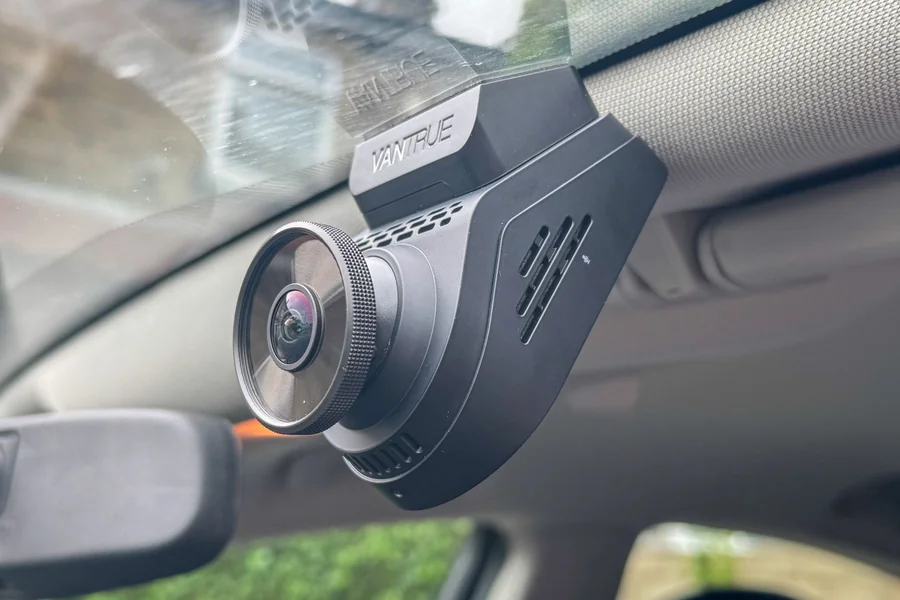
A dash cam is a tiny camera installed in the vehicle that captures the road first-hand as you drive. It can give video proof following an accident, record unanticipated activities, and also record incidents that range from hit-and-run vehicles to traffic disputes. The factors to take into account when selecting a dash cam are video quality, viewing angle, night recording, storage capacity, parking mode, GPS, installation, and reliability. The only thing that you need to consider is how you drive and where you drive, what you can afford, and what features you really need. The ideal dash cam is simple to use and will capture clear footage without being distracting.
1. Start With The Video Quality
When selecting a dash cam, video quality is among the most crucial features to take into consideration. A camera that provides poor or fuzzy pictures may not help when trying to see the license plate, road sign or a vehicle.
Seek out a dash cam that will capture at least Full HD (1080p) video. There are also many models that have recording up to 2K or 4K, which would give more details. Increased resolution can be beneficial, but can also take up more disk space and can be more expensive.
The frame rate is important as well. When the camera captures images at 30 frames per second, it can produce smooth footage for use in normal driving. Some models can have a frame rate of 60 frames per second; this can make very fast-moving scenes easier to look through.
Look at the camera’s performance in challenging lighting conditions, as well. While good daytime film is helpful, good nighttime images can be even more helpful.
When assessing the video quality you should check:
- 1080p, 2K, or 4K resolution
- Good low-light performance
- Wide dynamic range (WDR)
- A dependable image sensor
- Recording at 30 fps or higher without any jerks involved.Smooth video recording at 30 fps or higher.
Resolution is not the only criterion to take into account when picking a camera. The quality of the images and sensors can help to make a big difference.
2. Check The Camera’s Field Of View
The field of view defines the amount of road that the camera can see. An angle of view that is wider will capture more of the traffic around the car, but an extremely wide angle may result in objects, such as trees or buildings, that are closer to the center of the frame appearing smaller.
Most drivers will find a 120- to 150-degree field of view to be a good compromise. Can see multiple lanes, but still get key information fairly easily.
There are also some dash cams that are only front facing, and other ones with front and rear facing cameras. If you wish to see what is happening behind your vehicle also, a dual-channel system may be beneficial and would offer additional coverage.
You should get a rear camera if you:
- Often drive in congestion.
- Park on busy streets
- To get evidence from both sides.To get evidence from both sides
- Regularly travel on highways
- Get more insurance around your vehicle
You might need a wider camera setup, but that requires more work to set up and may be more expensive.
3. Look For Useful Dash Cam Features
There are numerous features available with modern dash cams. Some are actually helpful while others may not be significant to your driving style.
Parking mode is for those who park the car for extended periods of time in public spaces. Depending on the model, the camera can record when it detects movement or an impact. Remember, a hardwire kit will likely be needed for parking mode, and it can put extra strain on the car’s battery.
GPS can record location and speed information with the footage. This can help you to see where and when a recording was made.
An impact sensor also referred to as a G-sensor, can sense abrupt motion as a result of a collision. It can then guard against overwriting the concerned video file.
Other features are Wi-Fi, smartphone apps, voice control and inbuilt displays. These can make the dash cam easier to use, but they shouldn’t take the place of best practices around quality and reliability of the recording.
4. Consider Storage And Recording Time
A typical dash cam records video and stores it on a memory card all the time. As soon as the card is full, the camera typically replaces older files. This is known as loop recording.
Before purchasing memory card, inquire of the manufacturer about the suggested memory size. There are cameras that are larger than others in their capacity to carry larger cards.
The higher the resolution of the camera, the more storage it will require. For instance, 4K footage can require a lot more space than 1080p footage.
Use a quality, long-lasting microSD card for continuous recording. Typical memory cards might not be suitable for the frequent rewriting and writing that dashcams do.
Additionally, it is important to understand what protected footage is. The camera might automatically lock a file if it detects an impact, which will prevent the file from being deleted when you loop the recording.
Regularly back up significant recordings, particularly following an incident or accident.
5. Think About Installation And Power
If a dash cam isn’t powered on and isn’t placed properly, it isn’t going to do any good.
The majority of models fit into the onboard 12V power point. It’s straightforward and makes sense for those who desire a simple setup. Unless the cable is carefully routed, however, the cable can be visible.
A hardwired installation can give a cleaner look and can possibly allow parking mode. Typically it’s a fuse box that plugs into the electrical system used for the dash cam.
When considering a camera purchase, take a look at whether the camera comes with the necessary power accessories. Some models may need additional equipment for features such as parking surveillance.
The camera should be as well set up in a place that doesn’t obstruct your ability to view. A space behind or near the rear-view mirror is a good compromise for visibility and an unobstructed recording angle in many vehicles.
Before installing windshield mounted devices, please consult local laws and ordinances.
6. Set A Budget Based On Your Needs
There are many models of dash cams on the market, and it’s important to determine your needs before you start comparing models.
For regular filming, a simple 1080p camera may suffice. Mid-range models could feature enhanced night cameras, GPS, WiFi or dual cameras. The more expensive options may provide 4K recording abilities, improved low-light performance, enhanced parking capabilities, and more sophisticated equipment.
Rather than paying for all the features available, concentrate on the ones that are important to you.
The following checklist will help:
- For daily commuting: Stick to 1080p or 2K recording as a top priority.
- Driving often at night: Pay attention to low-light performance.
- Take into account street parking and a hardwire kit.
- While driving on the highway, seek out clear views and adequate field of vision.
- Front and rear coverage: Select dual channel system.
- Easy to setup: Choose a model that has simple setup and controls.
Take into account the cost of memory cards, mounts, replacement parts, and set up. The cost of a dash cam doesn’t always mean the purchase price.
Final Thoughts
You don’t need to get yourself confused when selecting the best dash cam. Get the fundamentals right: good video, reliable recording, adequate coverage, and storage. Next, think about options like vehicle-to-vehicle communication, parking mode, Wi-Fi connectivity, and the ability for the rear camera to eliminate blind spots, depending on how you drive.
The 1080p or 2K dash cam that performs well at night is a good place to start for most drivers. A driver that requires more detail or wider coverage may want to consider a 4K or dual channel system.
The ideal dash cam for any vehicle is the one that will capture footage every time, fit seamlessly in the car, and give you the information you may need if something unexpected happens on the road.