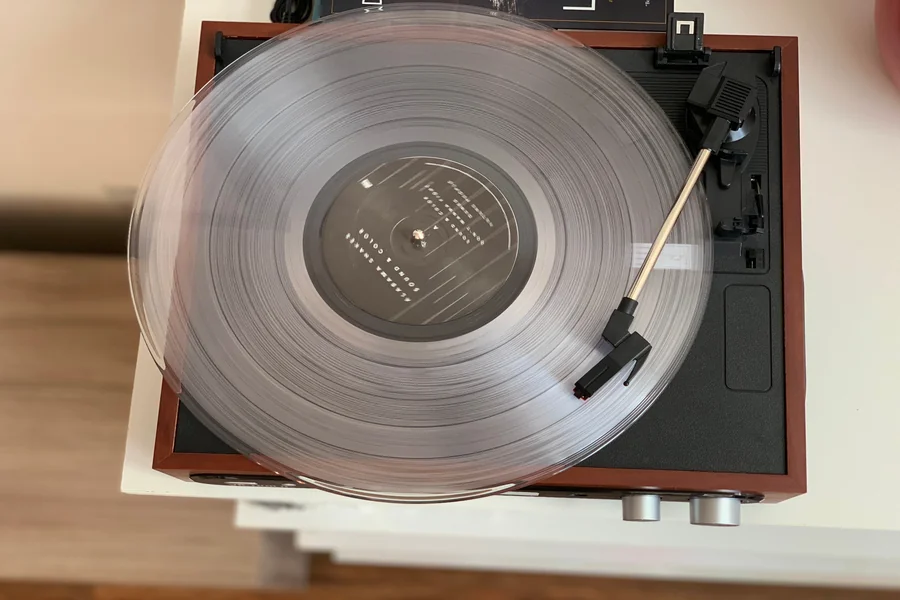
Used turntable: Record player that has been previously used and owned. When shopping for one, inspect it for overall condition, platter, tonearm, cartridge, stylus, motor, controls, cables and output connections. It is also advisable to play a recording test to check if it works well, and to visually check for damage and maintenance issues. Older turntables can be good buys, but may require parts or repairs. By being aware of the things to look for when purchasing a used turntable, you can save yourself from unforeseen expenses and be certain that the turntable you’re buying will be dependable and perfect for your vinyl system.
There may be the advantage of purchasing used turntables to begin a new vinyl collection or to expand it without spending the cost of a new turntable. But age isn’t the sole indicator when it comes to making a decision about what turntable to buy. An older unit in good condition can last for years, but one that isn’t maintained properly could require more money than its owner anticipated.
Before you hand over your cash, check out the turntable and, if you can, play a record on it. The following are the primary features to look for.
Check The Overall Physical Condition
Begin on the outside of the turntable. Inspect for cracked, deep scratches, loose components, missing screws, or drop marks. Most of the small marks are cosmetic, but if they are structural, they can impact the turntable’s function.
Be sure to read the dust cover. On older models, there may be scratches, whereas for broken hinges or a cracked cover, you might need to replace it.
Look for loose feet under the turntable as well. These help to isolate the record player from vibrations. When lacking, damaged or worn out they can make the turntable more susceptible to noise and feedback.
Find out from the seller about the history of the turntable. Useful questions include:
- How many years have they had in their possession?
- What was the frequency of its use?
- Has it been repaired in the past?
- Are any original parts missing?
- Is it stored in a dry and secure area?
These answers can give you a better idea of how the unit was treated.
Inspect The Platter And Motor
The platter must fit properly and spin easily. Switch off the turntable and manually turn it. It should roll easily without abnormal scraping, grinding or resistance.
Then, see if the platter rotates at the proper speed. There are a variety of turntables that are available, with most offering 33 1/3 RPM and 45 RPM, with a few turntables even including 78 RPM records.
This is because uneven music can sound somewhat unappealing when the speed is not steady. An old or stretched belt can result in speed issues on a belt-drive turntable. The replacement of belts is often cheap but be sure to budget for it.
A belt is not used in direct-drive models, but issues can occur with their motors or speed-control devices. Try each speed setting and listen for abnormal noises from the motor.
If available, use a speed-checking app on a smart phone or other means of RPM measurement. This can be helpful in identifying the speed issues that are hard to notice in a fast test.
Examine The Tonearm, Cartridge, And Stylus
The tonearm is one of the most important parts of a turntable. Gently glide through its range and be sure it is not loose or rough.
If the turntable is an automatic or semi-automatic, the tonearm should also move back or up properly. If using a manual turntable, ensure that the cueing mechanism smoothly raises and lowers the arm.
Next check the stylus and the cartridge. The stylus is the tiny part that makes physical contact with the record; therefore, the condition of the stylus is very important.
If the stylus is worn, it will play out of tune and can scratch records. Unfortunately, it is not always easy to know the amount of stylus wear from the appearance of the stylus.
Inquire about the last time the stylus was changed. If the seller is not aware, presume that one might be required. Don’t assume that this is a definite advantage; include this cost in the price of the existing stylus.
Ensure that the cartridge is locked in place and the wires are properly attached. Many popular turntables can have their replacement cartridges and styli bought, however some rare or discontinued turntables may require more difficulty in servicing.
Test The Sound And Connections
One of the best ways of checking a used turntable is to listen to it. Attach to appropriate equipment and listen to one of their favorite records.
Check for unwanted noise, distortion, channel imbalance, or on/off sounds. One of the channels will be noticeably quieter than the other which may meant a problem with the cartridge, the wiring, the RCA cables or the turntable.
Check all controls and switches. When applicable, test the following:
- Make sure to start and stop functions.Start and stop functions.
- 33⅓ and 45 RPM speeds
- Pitch control
- Cueing lever
- Automatic functions
- Headphone/Output jack:
- Ground connection
- RCA cables
Never presume a turntable with a moving platter is working well. Some faults do not occur unless there is a record playing.
If the turntable does need a phono preamp, make sure to check if it has to use a transformer or not. There are models with an integrated phono stage and models that require a separate phono preamp or an amplifier with special phono input.
Look For Replacement Parts And Repair Costs
Future maintenance is one of the biggest things that’s overlooked when purchasing a used turntable. Ahead of purchasing any specific model, see if replacement parts are still on offer.
Common replacement parts include belts, styli, cartridges, cables, hinges, feet and dust covers. The motor, speed-control system, tonearm or electronic components could be involved in more complicated repairs.
Look up the model number and see if manuals, service and parts are available. This is particularly crucial if you are purchasing an older or less familiar turntable.
Purchase price isn’t necessarily the total cost. For instance, a low-cost turntable requiring belt, stylus, cartridge and electrical repair can cost more than a high-quality turntable that is well maintained and initially is more expensive.
Look beyond the asking price, and consider the overall cost of ownership.
Verify The Model And Seller
When purchasing, verify the actual model number. Turntables that look alike can vary in value and specification.
Check for the original features and confirm the unit you are viewing is that of a manufacturer’s design. Inspect for changes, damage or replacement parts.
When purchasing online, request clear photographs to show the following: platter, tonearm and cartridge, stylus area, back connections, and model label. You can also have a brief video of the turntable spinning and playing a record.
If a seller cannot give basic information about the unit or refuses to make a reasonable effort to have it tested, be wary. A used turntable doesn’t have to be in pristine condition, but the seller must have the user’s awareness of any issues.
When buying in the area, visit the turntable in real time if possible. This allows you the opportunity to try it before you buy it.
Final Thoughts
When you are knowledgeable in what to look out for, the purchase of an old turntable may be a smart option. Concentrate the attention on components that can impact performance: platter, motor, tonearm, cartridge, stylus, controls and connections. Next, look at the parts availability and replacement parts pricing.
Don’t assume that something’s clean because it looks clean. A turntable may look good, even if it has speed, wiring or stylus issues. Similarly, an older and cosmetically worn car may perform exceptionally if well maintained.
Little extra care will take a little extra time, but will save on costly surprises later on. The aim is not just to get the lowest priced used turntable. You want to find one that functions correctly, is easy to maintain, and fits into your vinyl system.