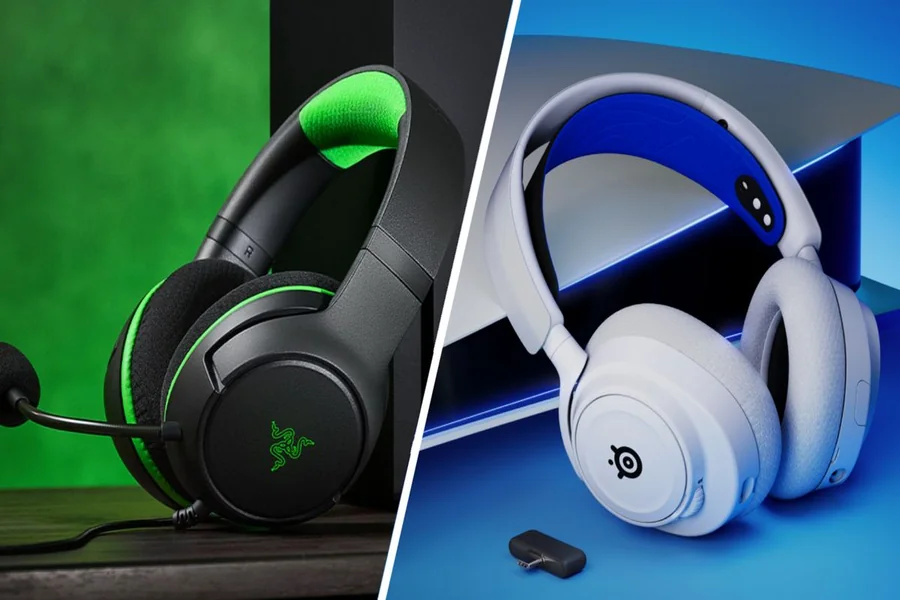
Two popular methods of listening to music, podcasts, videos, and calls are via wired or wireless headphones. Wired headphones are headphones that are connected to a device using a cable and wireless headphones are headphones that are connected to a device using a wireless connection, such as Bluetooth. Wired models are also typically easy to plug and play, provide uniform sound quality, and do not cause battery issues. Wireless Headphones offer greater mobility, less wires, and convenient controls (touch controls and active noise cancelling). It all depends on what you intend to use your headphones for, which features you are looking for and whether it is convenience or the direct connection that is most important to you.
It is not always easy to decide on wired or wireless headphones. Both types can produce good quality sound; differences are sometimes more to do with application than with actual sound quality.
Requirements may vary from one person to another, depending on the extent to which they listen at a desk, travel a lot, exercise, play games, or make many calls. Being aware of the main distinctions can assist you to invest your cash in attributes that are realistically helpful.
Wired vs Wireless Headphones: The Main Difference
The greatest variation is the type of connection the headphones have to the device.
Wired headphones are connected via a tangible cable, typically via 3.5mm audio jack or a USB-C connection. The signal is transmitted straight through the cable. No wireless pairing process, and with most of the traditional wired models there’s no battery to charge.
Wireless headphones are headphones that connect via wireless signals, such as Bluetooth. They have a battery and electronic hardware to control the wireless communication. After the pair, they can listen without having to be physically connected to your cell phone, tablet, laptop or other device.
The following are the key differences in a nutshell:
- Connection: Wired = cable, Wireless = Bluetooth or other wireless.
- Battery: Wired headphones: usually do not require charging; wireless headphones: do require charging.
- Mobility: Wireless options offer more mobility.
- Convenience: Wireless headphones can often be more convenient to use when you’re on the go or working out.
- Compatibility: There are newer phones that don’t have a standard portrait speaker.
- Noise cancellation, microphones, app controls and touch gestures are usually part of the features of a wireless model.
Sound Quality: Is Wired Better Than Wireless?
The quality of the sound is not only about its wired or wireless connection, but also on the respective headphones.
Wired headphones can be a benefit since the sound is not affected by cable. This may be attractive to listeners who are concerned with highly detailed audio reproduction or professional audio equipment.
The wireless headphones have come a long way. Today’s Bluetooth headphones can offer better and balanced sound quality, and some have the ability to handle higher quality wireless audio codecs. Many people may not be able to tell the difference between a good wired pair and a good wireless pair when listening every day.
The quality of the water source is important, too. The quality of the audio recording, streaming service, phone, computer or amplifier can make a difference to what you hear. The well-designed wireless headphone can sound better than a badly designed wired one.
For accuracy, check the specific headphones’ drivers, frequency response, tuning, and reviews, not just its connection type.
Convenience And Everyday Use
This is the area where wireless headphones can excel.
You can freely walk around, work at a standing desk, travel and exercise without concerns of the cable tangling. Wireless earbuds and headphones can even auto-pair with their previous pairing, too, which makes the daily use easy.
Many wireless units are also equipped with some great extra features, including:
Active noise cancellation (ANC)
Transparency or ambient sound modes:
- Built-in microphones
- Multipoint Bluetooth
- Touch/button controls:Touch/button controls:
- Mobile apps that allow the sound to be customized.
- Additionally, wear detection and auto-playback control.
There is an advantage to wired headphones – and that is simplicity. Simply insert them and they’re ready to go. No battery percentage to check and no pairing process to deal with.
Wired headphones can also work for extended listening periods if you’re seated close to your computer or audio source.
Battery Life, Reliability, And Durability
One of the most crucial points to take into account when purchasing wireless headphones is battery life. Most models will last a few hours on a single charge, and larger over-the-ear headphones can last for much, much longer. The performance of the battery, however, can decrease with time.
The wireless headphone might stop working if the battery is depleted. With some models, it can be done via wired listening when battery is out of charge depending on the design.
This isn’t an issue with wired headphones. If there’s no issues with the cable or connector, they can play audio as long.
But wired doesn’t necessarily mean more lasting. Frequent bend can lead to connection issues, connectors can wear out and cables can break. These are the problems with cables, but wireless headphones have batteries and electronic parts that can also fail over time.
Quality of construction is important for both varieties. The category of wired vs. wireless is just the starting point; a solid design, good controls, and a quality connection could be more important to longevity.
Which Headphones Are Better For Gaming, Travel, And Work?
The most appropriate may vary depending on the situation.
For games: Wired headphones are often the better choice as they are easier to connect and can be more consistent. They can also enjoy extended gaming without having to worry about batteries. However, wireless gaming headsets can offer greater freedom and reduce clutter of cables.
When traveling: Wireless headphones are a great option as there’s no cable to deal with. Some situations can also benefit from the active noise cancelling feature, such as in an airplane, train, or on a noisy street. Just be sure to keep them charged up before embarking on any long journey.
For office work: Wireless headphones can make your movements more convenient during a call. Multipoint connectivity can come in handy when connecting a computer to a phone.
When it comes to exercise: Wireless ear pieces or headphones are more convenient since a strap can get in the way. Stability, sweat resistance and fit are all significant here.
When it comes to music production: Wired headphones are typically the more reliable option as they offer a direct connection and do not rely on wireless technology or battery power. Also take into account compatibility with your audio interface.
Wired vs Wireless Headphones: Pros And Cons
Both have their pros and cons for different listeners. The decision should be based on your priorities.
Wired Headphones
Pros:
- No battery charging
- Simple plug-and-play operation
- Reliable physical connection
- Can be used for audio equipment often
- Can produce excellent sound for a variety of prices
Cons:
- Cable may become entangled or snagged.
- Less freedom of movement
- There are devices that require an adapter
- Cable can get damaged and so can connectors.
Wireless Headphones
Pros:
- Freedom from cables
- Easy to get to for working and exercise
- Switch devices seamlessly on compatible models.Switch between devices conveniently on compatible models.
- Frequently come with ANC and other intelligent options
- Improved phone and laptop setup.
Cons:
- Sometimes the wireless connection could be an issue.
- Over time, battery capacity will deteriorate.
- Certain features could add to the cost
- Devices and Bluetooth support may affect performance.
How To Choose The Right Headphones For You
Think about the place and manner of you listening.
Wired headphones might be a good idea for those who primarily listen to music in their office using headphones and require a secure, steady connection. They can also be an effective solution for individuals who are not keen on taking care of battery life management.
Wireless headphones might be a more appropriate choice if you are very active, regularly exercise, travel a lot or switch devices. This extra convenience can be worth the price of admission.
Take into account your phone or computer. If you don’t have a headphone port, you might need a USB-C or Lightning to headphones adapter (depending on the device). With wireless headphones, there isn’t a problem like this.
These are some of the things to check before purchasing:
- Fit: You can wear your headphones for hours and hours, so fit is important for comfort.
- Sound quality: Read reviews that comment on the sound, not just the specs.
- Battery life: Relevant if the device is wireless.
- Microphone quality: If you receive calls or participate in online conferences, it is crucial for this.
- Noise cancelling: Good for travel and noisy areas.
- Durability: Review materials, hinges, cable and water-resistance (if applicable).
- Compatibility in devices: Ensure that it is compatible with your phone, computer, console or audio system.
Final Thoughts
The decision of wired or wireless headphones depends on how you use them.
If you are a simple guy, prefer a direct connection and don’t want to worry about battery charging, wired headphones are a great choice. Can be particularly helpful at a desk, for music making or with dedicated audio hardware.
Wireless headphones are easy to use if freedom of movement and convenience are important. Ideal for commuting, exercise, travel, office work and farm use of the smartphone.
Not everyone will find the same remedy to be the best. Rather than just looking at wired versus wireless headphones, consider comfort, sound quality, battery life, features, durability, and compatibility. The best headphones are those that seamlessly merge into your listening habits.