Deciding between the best speaker brands can be a challenging task because every speaker brand is oriented towards a slightly different listener. Some brands are renowned for their home theatre systems, others for portable Bluetooth speakers, hi-fi listening, studio monitoring or for their high-powered car audio.
There are also a number of different prices for the top speaker brands. For a beginner, a simple bookshelf or wireless speaker can work, whereas for an enthusiast, the speakers can be floorstanding models with separate amplifiers, subwoofers and a dedicated listening room.
When shopping for the best speaker brands, it is better to compare than to just settle on a name because it will help you decide which brands would fit your room size, speaker type, sound style, connectivity, power requirements, and budget.
Featured Answer: What Are the Top Speaker Brands?
Some of the popular brands include JBL, Klipsch, KEF, Bowers & Wilkins, Sonos, Bose, Sony, Yamaha, Polk Audio, ELAC, Q Acoustics, and Edifier. It all depends on the type of sound you are looking for, whether it is for a home theater, hi-fi music, wireless convenience, portable sound, desktop audio, or any other type of setup.
Top Speaker Brands Quick Facts
| Feature | Details |
| Main uses | Music, movies, gaming, desktop, portable audio |
| Common types | Bookshelf, floorstanding, wireless, portable, center, surround |
| Price range | Budget to premium |
| Connection options | Wired, Bluetooth, Wi-Fi, HDMI, optical, app-based |
| Important factors | Sound, room size, power, placement, compatibility |
| Best approach | Compare models, not only brand names |
| Main keyword | top speaker brands |
When comparing the top speaker brands, always check the exact model specifications. Power handling, amplification, frequency response, wireless support, dimensions, room correction, and included accessories can vary even within one company.
What Makes Top Speaker Brands Stand Out?
Major speaker manufacturers achieve the most recognition by being available for a long time, having a wide range of models and providing dealer assistance as well as engineering and consistent product design. It’s not to say that any of the models from a popular company will fit for all listeners.
Some of the good speaker brands concentrate on vibrant and dynamic audio performance, while others target carefully balanced presentation, a wide audio image, minimum size and convenience, or deep bass sound.
The best approach is to first limit your options to a list of these speaker brands according to the purpose. A living-room speaker won’t sound nearly as good at a desk, patio, studio or vehicle.
JBL
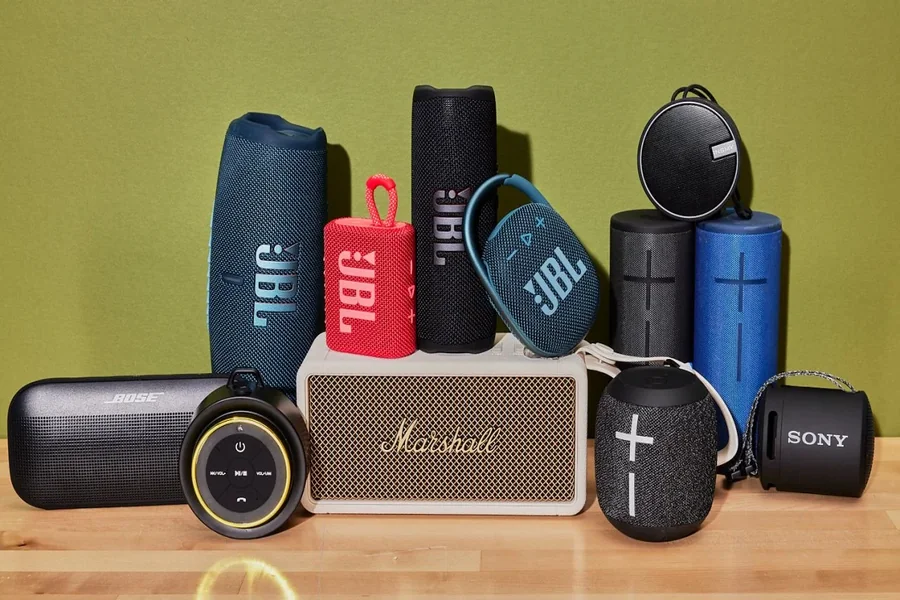
JBL is one of the most popular speaker brands for those who prefer a range of portable, home, professional and entertainment audio solutions. The firm is particularly known for its Bluetooth speakers and bigger party systems.
JBL might appeal to casual users as many models boast straightforward setup and use for everyday listening. When shopping for portable speakers, JBL is frequently on the list of brands that are compared because of the variety of wireless speakers that it offers.
When selecting a JBL model, consider the battery life, size, waterproofing, stereo pairing, app compatibility, and maximum volume based on usage.
Klipsch
Another Klipsch name that often comes up in the world of home audio or home theater speaker brands is that of the Klipsch 250 Speaker. It covers floorstanding speakers, bookshelf speakers, center-channel speakers, surround speakers and powered speakers.
When shopping for movie speaker systems, people often consider Klipsch for its impressive performance in terms of dynamics and the variety of speaker sizes they offer.
When considering a complete Klipsch system, the size of the rooms to be treated, amplifier matching, tweeter type, subwoofer integration, and placement should be considered.
KEF
When talking about the best speaker brands for hi-fi listening, or modern home systems, it is generally taken up into the discussion. Fitted, bookshelf, front-to-back, wireless and home-theater models are all available.
Of these speaker brands, KEF is popular with those requiring imaging, clean design, and detailed stereo presentation.
As with all top-notch speaker selections, the space and location can have a significant impact on the final outcome. In a small room it could be a good idea to use a smaller KEF speaker, whilst a larger speaker will require more space from the walls and a more powerful amplifier.
Bowers & Wilkins
Bowers & Wilkins is a brand that is often included in the debates for the best speaker brands, as it provides a range of products including loudspeakers, subwoofers, wireless speakers, and home theater speakers, as well as in wall and in ceiling speaker options.
Bowers & Wilkins might be in the mix if buyers are seeking high-quality construction and various series with varying levels of performance in a dedicated music system.
The brand also has higher range models like the 700 and 800 models, which need to be compared for room size, amplifier quality, positioning, and overall system cost.
Sonos
Sonos is one of the best speaker brands for homeowners who value a wireless multi-room system, application control and the overall connected home experience.
Many consumers give up on a conventional amplifier and passive speaker setup and go with Sonos since they wish to have their speakers communicate together in different rooms.
When it comes to wireless speaker brands, you may want to opt for wireless and Wi-Fi streaming, Bluetooth versatility, voice control, TV integrations or all of the above.
Bose
Bose is a familiar name in the consumer audio world and is frequently among the best speaker brands for easy home, portable, soundbar, and wireless systems.
It is sometimes the convenience of its use that makes it so attractive. Some listeners prefer not to have separate amplifiers, passive speakers or the cables to connect them together.
In terms of convenience, look at the connectors, services offered, app functionality, room size, and also potential for future growth.
Sony
Sony is among the leading speaker brands in the market with speakers that can be categorized under several entertainment systems, ranging from home theater speakers to wireless speakers, party speakers, or TV-specific speakers.
The company’s offerings are wide-ranging, so it’s essential for the shopper to do her due diligence when looking at specific products. You might find the ideal Sony speaker for your TV is very different to the ideal model you’d have for outdoor use and listening to music.
For those seeking a larger home-entertainment system, Sony can come in handy among these speaker manufacturers.
Yamaha
Yamaha is frequently considered among top speaker brands for traditional home audio and theater systems, especially by users who also use AV receivers.
The company has experience across speakers, amplifiers, receivers, instruments, and professional audio, which gives buyers many ways to build a complete system.
When comparing these speaker brands for receiver-based setups, pay attention to speaker sensitivity, impedance, channel count, crossover points, and subwoofer integration.
Polk Audio
Polk Audio is often included in lists of top speaker brands for buyers building home theater or stereo systems without immediately moving into very expensive equipment.
The company has bookshelf, tower, center, surround, and subwoofer options, making it possible to build a matching multi-channel system.
For shoppers comparing these speaker brands on value, Polk models can be compared by cabinet size, driver layout, sensitivity, bass extension, and recommended amplifier power.
ELAC
ELAC is another option among top speaker brands for stereo and home listening. Many buyers encounter the brand when looking for bookshelf or floorstanding speakers.
The attraction is often straightforward hi-fi design rather than a heavily integrated wireless ecosystem.
When comparing these speaker brands for a traditional two-channel system, check whether the speaker needs a strong amplifier and whether the room allows enough placement space.
Q Acoustics
Q Acoustics is commonly mentioned among top speaker brands for listeners who want clean-looking passive speakers for music or home theater.
Its product range can suit compact stereo systems as well as larger multi-speaker setups, depending on the series.
Buyers comparing these speaker brands should look beyond appearance and check cabinet size, sensitivity, bass response, center-channel matching, and room compatibility.
Edifier
Edifier is one of the top speaker brands for many desktop and powered-speaker buyers. Its catalog includes compact active speakers that can be useful for computers, small rooms, and casual music listening.
Powered speakers can simplify setup because the amplifier is built into the system.
When comparing these speaker brands for a desk, check input options, Bluetooth support, USB or optical connections, subwoofer output, remote control, and physical dimensions.
Passive vs Powered Speakers
The top speaker brands sell both passive and powered designs, but the correct choice depends on how much control and flexibility you want.
Passive speakers require an external amplifier or receiver. They can be easier to upgrade over time because the amplifier and speakers are separate.
Powered speakers include amplification inside the cabinet. For users comparing these speaker brands for a compact desk or simple living-room setup, powered models can reduce the number of components needed.
Bookshelf Speakers
Bookshelf models are available from many top speaker brands and are useful in bedrooms, offices, apartments, and smaller living rooms.
Despite the name, these speakers often sound better on stands where the tweeters can be positioned closer to ear level.
When comparing these speaker brands in this category, consider cabinet size, bass extension, rear or front ports, amplifier requirements, and listening distance.
Floorstanding Speakers
Floorstanding models from top speaker brands are designed for larger rooms or users who want more output and bass from the main left and right channels.
They usually contain multiple drivers and larger cabinets than bookshelf designs.
For buyers comparing these speaker brands for floorstanding speakers, room size matters as much as the brand. A large tower in a very small room can be harder to position and tune.
Wireless Speakers
Wireless models have become an important part of the top speaker brands market. These products may use Bluetooth, Wi-Fi, AirPlay, proprietary apps, or combinations of several technologies.
A wireless design can reduce cable clutter, but it still needs power and may depend on software support.
When comparing these speaker brands for wireless audio, check ecosystem compatibility, supported streaming methods, stereo pairing, multi-room features, and how the product works if the internet connection is unavailable.
Home Theater Speakers
Many top speaker brands offer systems for movies and television, including front speakers, center channels, surrounds, height speakers, subwoofers, and soundbars.
A matching center channel is especially important because much movie dialogue comes from the center of a surround system.
If you are comparing these speaker brands for theater use, make sure the speakers work well with your AV receiver, room size, seating layout, and desired channel configuration.
Portable Bluetooth Speakers
Portable models from top speaker brands are designed for convenience, travel, outdoor use, and casual listening.
Battery life, durability, weight, charging speed, water resistance, and maximum volume can matter more than traditional hi-fi specifications in this category.
The best approach is to compare these speaker brands by how you will actually use the product rather than by assuming the largest speaker is automatically better.
Sound Quality
Sound quality is one of the biggest reasons people compare top speaker brands, but it is also subjective.
Some listeners prefer warm bass and relaxed treble. Others want strong detail, forward vocals, wide imaging, or high output.
Room acoustics can also change how these speaker brands sound. Hard walls, bare floors, large windows, soft furniture, speaker distance, and listening position all affect the result.
Room Size
The top speaker brands make products for small desks, medium bedrooms, large living rooms, dedicated theaters, and outdoor spaces.
A small speaker may sound excellent in a near-field setup but struggle in a large open room.
Likewise, large speakers from these speaker brands may need more space from walls and corners to avoid excessive bass or uneven response.
Amplifier Matching
For passive models, top speaker brands publish specifications that can help you choose a suitable amplifier.
Impedance, sensitivity, and recommended power are useful starting points, but real-world demands also depend on room size and listening level.
Do not choose an amplifier only by the largest wattage figure. A clean and compatible system is more important when pairing electronics with these speaker brands.
Subwoofer Integration
Many top speaker brands can be paired with subwoofers to extend low-frequency performance.
This is especially useful for home theater, electronic music, gaming, and small bookshelf systems that cannot reproduce deep bass on their own.
A well-integrated subwoofer should blend with the main speakers rather than sound like a separate bass source.
Speaker Placement
Even the top speaker brands can sound disappointing when placement is poor.
For stereo listening, start with the left and right speakers at similar distances from the main listening position. Avoid blocking the drivers with furniture.
Small placement changes can affect bass, imaging, and treble, so test several positions before making a final judgment about the speakers.
Build Quality and Design
The top speaker brands use different cabinet materials, finishes, driver designs, grilles, stands, and mounting systems.
Build quality matters, but expensive finishes do not automatically guarantee the sound profile you prefer.
For daily use, also consider durability, replacement parts, warranty support, and whether the speaker fits naturally into your room.
Connectivity
Connectivity can separate one model from another even within the top speaker brands.
For powered and wireless systems, common options can include Bluetooth, Wi-Fi, optical, HDMI, USB, analog input, Ethernet, and app control.
Choose connections based on the devices you already own, such as televisions, computers, turntables, phones, streamers, or game consoles.
Best Uses
The top speaker brands can be suitable for:
- Two-channel music systems
- Home theater setups
- Desktop audio
- Gaming rooms
- Wireless multi-room audio
- Portable listening
- Outdoor gatherings
- TV sound upgrades
- Vinyl systems
- Small apartments
- Large living rooms
- Dedicated listening spaces
The important step is matching the speaker type to the environment instead of choosing from these speaker brands only because a name is popular.
Advantages of Buying From Established Brands
One advantage of choosing from top speaker brands is that established companies often have broader product ranges.
That can make it easier to add a matching center channel, surround speaker, subwoofer, or second wireless speaker later.
Another benefit is that these speaker brands may have more reviews, setup guides, accessories, and dealer support available, which can simplify buying and installation.
Limitations
The top speaker brands are not automatically the right choice for every budget or listener.
A less famous manufacturer may offer a model that fits your room and preferences better.
Also, different product lines from the same company can sound different, so comparing these speaker brands at company level should always be followed by model-level research.
How to Choose the Right Brand
Start by deciding how the system will be used. Music, movies, gaming, outdoor listening, and desktop audio place different demands on a speaker.
Then compare the top speaker brands that serve that category well. Look at price, size, power requirements, connection options, upgrade paths, and room compatibility.
Whenever possible, listen before buying. These speaker brands may all be capable, but personal preference can determine which sound presentation feels best to you.
Buying Checklist
Before ordering from top speaker brands, check:
- Speaker type
- Room size
- Budget
- Passive or powered design
- Amplifier or receiver compatibility
- Impedance
- Sensitivity
- Placement space
- Bass requirements
- Need for a subwoofer
- Wireless or wired connections
- TV and gaming compatibility
- Multi-room support
- Warranty
- Upgrade options
A careful checklist makes it easier to compare top speaker brands without getting distracted by marketing claims or maximum wattage numbers.
Final Thoughts
The top speaker brands cover everything from affordable desktop speakers to advanced home theater systems and premium hi-fi setups.
JBL, Klipsch, KEF, Bowers & Wilkins, Sonos, Bose, Sony, Yamaha, Polk Audio, ELAC, Q Acoustics, and Edifier all serve different types of listeners.
Instead of treating one name as the universal winner, compare the top speaker brands by speaker type, room size, connectivity, amplification, budget, and the sound you enjoy.
FAQs
What are the top speaker brands?
The top speaker brands include JBL, Klipsch, KEF, Bowers & Wilkins, Sonos, Bose, Sony, Yamaha, Polk Audio, ELAC, Q Acoustics, and Edifier.
Which speaker brand is best for home theater?
Several top speaker brands offer complete home-theater ranges. The right choice depends on your receiver, room size, channel layout, budget, and preferred sound.
Which speaker brands are good for music?
Many top speaker brands produce excellent music-focused speakers. Bookshelf and floorstanding models from hi-fi-oriented companies are common choices for stereo listening.
Are expensive speaker brands always better?
No. Higher prices can bring better materials, engineering, finishes, or features, but room setup and personal preference still matter.
Should I buy passive or powered speakers?
Passive speakers offer more component flexibility, while powered speakers can simplify installation by including amplification inside the cabinet.
Do I need a subwoofer?
Not always. A subwoofer is useful when you want deeper bass for movies, gaming, electronic music, or smaller main speakers.
How important is speaker placement?
Placement is very important. Distance from walls, listening position, toe-in, height, and room acoustics can significantly affect the final sound.
Can I mix different speaker brands?
Yes, but matching the front left, center, and right speakers is often helpful in a home theater because it can create a more consistent sound across the front stage.
What should I check before buying speakers?
Check room size, speaker dimensions, amplification, impedance, inputs, wireless support, bass needs, placement, warranty, and upgrade options.
Are top speaker brands worth comparing before buying?
Yes. Comparing top speaker brands can help you understand the available choices, but the final decision should focus on the exact model and how well it fits your system.
KW: top speaker brands
SEO Title: Top Speaker Brands: Complete Guide to Sound, Types, Features & Buying Tips
Meta Description: Top speaker brands offer options for home audio, Bluetooth listening, studio setups, car systems, and home theater. Compare features, sound goals, and buying factors.
Top Speaker Brands: Complete Guide to Sound, Types, Features, Setup, and Everyday Use
Choosing between the top speaker brands can feel difficult because every company focuses on a slightly different type of listener. Some brands are known for home theater systems, while others focus on portable Bluetooth speakers, hi-fi listening, studio monitoring, or powerful car audio.
The top speaker brands also cover a wide range of prices. A beginner may want a simple bookshelf or wireless model, while an enthusiast may prefer floorstanding speakers, separate amplifiers, subwoofers, and a dedicated listening room.
Before buying, it helps to compare the top speaker brands by sound style, speaker type, room size, connectivity, power needs, and budget instead of choosing only by name.
Featured Answer: What Are the Top Speaker Brands?
The top speaker brands include well-known names such as JBL, Klipsch, KEF, Bowers & Wilkins, Sonos, Bose, Sony, Yamaha, Polk Audio, ELAC, Q Acoustics, and Edifier. The right brand depends on whether you need home theater, hi-fi music, wireless convenience, portable sound, desktop audio, or another specific setup.
Top Speaker Brands Quick Facts
| Feature | Details |
| Main uses | Music, movies, gaming, desktop, portable audio |
| Common types | Bookshelf, floorstanding, wireless, portable, center, surround |
| Price range | Budget to premium |
| Connection options | Wired, Bluetooth, Wi-Fi, HDMI, optical, app-based |
| Important factors | Sound, room size, power, placement, compatibility |
| Best approach | Compare models, not only brand names |
| Main keyword | top speaker brands |
When comparing the top speaker brands, always check the exact model specifications. Power handling, amplification, frequency response, wireless support, dimensions, room correction, and included accessories can vary even within one company.
What Makes Top Speaker Brands Stand Out?
The top speaker brands usually build recognition through consistent product design, broad model ranges, dealer support, engineering, and long-term availability. That does not mean every model from a famous company will suit every listener.
Some top speaker brands focus on energetic and dynamic sound, while others aim for balanced presentation, wide imaging, compact convenience, or powerful bass.
The smartest way to use a list of these speaker brands is to narrow your choices by purpose first. A speaker made for a living-room theater may not be ideal for a desk, patio, studio, or vehicle.
JBL
JBL is one of the top speaker brands for buyers who want options across portable, home, professional, and entertainment audio. The company is especially visible in Bluetooth speakers and larger party-style systems.
For casual users, JBL can be practical because many models are designed for simple setup and everyday listening. Buyers comparing these speaker brands for portable use often include JBL because of its broad wireless lineup.
Before choosing a JBL model, compare battery life, size, waterproofing, stereo pairing, app support, and maximum output according to your use.
Klipsch
Klipsch is another name that frequently appears in discussions of top speaker brands for home audio and home theater. Its range includes floorstanding, bookshelf, center-channel, surround, and powered speakers.
People comparing these speaker brands for movie systems often look at Klipsch when they want strong dynamics and a wide selection of speaker sizes.
Room size, amplifier matching, tweeter character, subwoofer integration, and placement should all be considered before building a complete Klipsch system.
KEF
KEF is commonly considered when discussing top speaker brands for hi-fi listening and modern home systems. The company offers compact, bookshelf, floorstanding, wireless, and home-theater-oriented models.
Among these speaker brands, KEF is often attractive to listeners who care about imaging, clean design, and detailed stereo presentation.
As with any premium speaker choice, the room and placement can strongly affect the final result. A smaller KEF model may work well in a compact room, while larger speakers may need more distance from walls and a stronger amplifier.
Bowers & Wilkins
Bowers & Wilkins belongs in many conversations about top speaker brands because it offers loudspeakers, subwoofers, wireless models, home-theater products, and in-wall or in-ceiling options.
Buyers comparing these speaker brands for dedicated music systems may consider Bowers & Wilkins when they want premium construction and multiple series at different performance levels.
The brand also offers higher-end ranges such as the 700 and 800 series, so buyers should compare room size, amplifier quality, placement, and total system cost before making a decision.
Sonos
Sonos is one of the top speaker brands for users who prioritize wireless multi-room audio, app control, and a connected home experience.
Instead of building a traditional amplifier-and-passive-speaker system, many buyers choose Sonos because they want speakers that can work together across several rooms.
When comparing these speaker brands for wireless use, consider whether you prefer Wi-Fi streaming, Bluetooth flexibility, voice control, TV integration, or a combination of these features.
Bose
Bose is widely known in consumer audio and is often included among top speaker brands for simple home, portable, soundbar, and wireless setups.
Its appeal is often convenience. Some listeners want fewer components and less setup complexity instead of separate amplifiers, cables, and passive speakers.
If you are comparing these speaker brands mainly for ease of use, check the connection options, supported services, app experience, room size, and whether the product can expand later.
Sony
Sony is one of the top speaker brands with products that can fit several entertainment categories, including home theater, wireless audio, party speakers, and TV-focused systems.
Because the company covers many product types, shoppers should compare individual models carefully. The best Sony speaker for a television setup may be very different from the best model for outdoor gatherings or music listening.
Among these speaker brands, Sony can be useful for buyers who want to stay within a broader home-entertainment ecosystem.
Yamaha
Yamaha is frequently considered among top speaker brands for traditional home audio and theater systems, especially by users who also use AV receivers.
The company has experience across speakers, amplifiers, receivers, instruments, and professional audio, which gives buyers many ways to build a complete system.
When comparing these speaker brands for receiver-based setups, pay attention to speaker sensitivity, impedance, channel count, crossover points, and subwoofer integration.
Polk Audio
Polk Audio is often included in lists of top speaker brands for buyers building home theater or stereo systems without immediately moving into very expensive equipment.
The company has bookshelf, tower, center, surround, and subwoofer options, making it possible to build a matching multi-channel system.
For shoppers comparing these speaker brands on value, Polk models can be compared by cabinet size, driver layout, sensitivity, bass extension, and recommended amplifier power.
ELAC
ELAC is another option among top speaker brands for stereo and home listening. Many buyers encounter the brand when looking for bookshelf or floorstanding speakers.
The attraction is often straightforward hi-fi design rather than a heavily integrated wireless ecosystem.
When comparing these speaker brands for a traditional two-channel system, check whether the speaker needs a strong amplifier and whether the room allows enough placement space.
Q Acoustics
Q Acoustics is commonly mentioned among top speaker brands for listeners who want clean-looking passive speakers for music or home theater.
Its product range can suit compact stereo systems as well as larger multi-speaker setups, depending on the series.
Buyers comparing these speaker brands should look beyond appearance and check cabinet size, sensitivity, bass response, center-channel matching, and room compatibility.
Edifier
Edifier is one of the top speaker brands for many desktop and powered-speaker buyers. Its catalog includes compact active speakers that can be useful for computers, small rooms, and casual music listening.
Powered speakers can simplify setup because the amplifier is built into the system.
When comparing these speaker brands for a desk, check input options, Bluetooth support, USB or optical connections, subwoofer output, remote control, and physical dimensions.
Passive vs Powered Speakers
The top speaker brands sell both passive and powered designs, but the correct choice depends on how much control and flexibility you want.
Passive speakers require an external amplifier or receiver. They can be easier to upgrade over time because the amplifier and speakers are separate.
Powered speakers include amplification inside the cabinet. For users comparing these speaker brands for a compact desk or simple living-room setup, powered models can reduce the number of components needed.
Bookshelf Speakers
Bookshelf models are available from many top speaker brands and are useful in bedrooms, offices, apartments, and smaller living rooms.
Despite the name, these speakers often sound better on stands where the tweeters can be positioned closer to ear level.
When comparing these speaker brands in this category, consider cabinet size, bass extension, rear or front ports, amplifier requirements, and listening distance.
Floorstanding Speakers
Floorstanding models from top speaker brands are designed for larger rooms or users who want more output and bass from the main left and right channels.
They usually contain multiple drivers and larger cabinets than bookshelf designs.
For buyers comparing these speaker brands for floorstanding speakers, room size matters as much as the brand. A large tower in a very small room can be harder to position and tune.
Wireless Speakers
Wireless models have become an important part of the top speaker brands market. These products may use Bluetooth, Wi-Fi, AirPlay, proprietary apps, or combinations of several technologies.
A wireless design can reduce cable clutter, but it still needs power and may depend on software support.
When comparing these speaker brands for wireless audio, check ecosystem compatibility, supported streaming methods, stereo pairing, multi-room features, and how the product works if the internet connection is unavailable.
Home Theater Speakers
Many top speaker brands offer systems for movies and television, including front speakers, center channels, surrounds, height speakers, subwoofers, and soundbars.
A matching center channel is especially important because much movie dialogue comes from the center of a surround system.
If you are comparing these speaker brands for theater use, make sure the speakers work well with your AV receiver, room size, seating layout, and desired channel configuration.
Portable Bluetooth Speakers
Portable models from top speaker brands are designed for convenience, travel, outdoor use, and casual listening.
Battery life, durability, weight, charging speed, water resistance, and maximum volume can matter more than traditional hi-fi specifications in this category.
The best approach is to compare these speaker brands by how you will actually use the product rather than by assuming the largest speaker is automatically better.
Sound Quality
Sound quality is one of the biggest reasons people compare top speaker brands, but it is also subjective.
Some listeners prefer warm bass and relaxed treble. Others want strong detail, forward vocals, wide imaging, or high output.
Room acoustics can also change how these speaker brands sound. Hard walls, bare floors, large windows, soft furniture, speaker distance, and listening position all affect the result.
Room Size
The top speaker brands make products for small desks, medium bedrooms, large living rooms, dedicated theaters, and outdoor spaces.
A small speaker may sound excellent in a near-field setup but struggle in a large open room.
Likewise, large speakers from these speaker brands may need more space from walls and corners to avoid excessive bass or uneven response.
Amplifier Matching
For passive models, top speaker brands publish specifications that can help you choose a suitable amplifier.
Impedance, sensitivity, and recommended power are useful starting points, but real-world demands also depend on room size and listening level.
Do not choose an amplifier only by the largest wattage figure. A clean and compatible system is more important when pairing electronics with these speaker brands.
Subwoofer Integration
Many top speaker brands can be paired with subwoofers to extend low-frequency performance.
This is especially useful for home theater, electronic music, gaming, and small bookshelf systems that cannot reproduce deep bass on their own.
A well-integrated subwoofer should blend with the main speakers rather than sound like a separate bass source.
Speaker Placement
Even the top speaker brands can sound disappointing when placement is poor.
For stereo listening, start with the left and right speakers at similar distances from the main listening position. Avoid blocking the drivers with furniture.
Small placement changes can affect bass, imaging, and treble, so test several positions before making a final judgment about the speakers.
Build Quality and Design
The top speaker brands use different cabinet materials, finishes, driver designs, grilles, stands, and mounting systems.
Build quality matters, but expensive finishes do not automatically guarantee the sound profile you prefer.
For daily use, also consider durability, replacement parts, warranty support, and whether the speaker fits naturally into your room.
Connectivity
Connectivity can separate one model from another even within the top speaker brands.
For powered and wireless systems, common options can include Bluetooth, Wi-Fi, optical, HDMI, USB, analog input, Ethernet, and app control.
Choose connections based on the devices you already own, such as televisions, computers, turntables, phones, streamers, or game consoles.
Best Uses
The top speaker brands can be suitable for:
- Two-channel music systems
- Home theater setups
- Desktop audio
- Gaming rooms
- Wireless multi-room audio
- Portable listening
- Outdoor gatherings
- TV sound upgrades
- Vinyl systems
- Small apartments
- Large living rooms
- Dedicated listening spaces
The important step is matching the speaker type to the environment instead of choosing from these speaker brands only because a name is popular.
Advantages of Buying From Established Brands
One advantage of choosing from top speaker brands is that established companies often have broader product ranges.
That can make it easier to add a matching center channel, surround speaker, subwoofer, or second wireless speaker later.
Another benefit is that these speaker brands may have more reviews, setup guides, accessories, and dealer support available, which can simplify buying and installation.
Limitations
The top speaker brands are not automatically the right choice for every budget or listener.
A less famous manufacturer may offer a model that fits your room and preferences better.
Also, different product lines from the same company can sound different, so comparing these speaker brands at company level should always be followed by model-level research.
How to Choose the Right Brand
Start by deciding how the system will be used. Music, movies, gaming, outdoor listening, and desktop audio place different demands on a speaker.
Then compare the top speaker brands that serve that category well. Look at price, size, power requirements, connection options, upgrade paths, and room compatibility.
Whenever possible, listen before buying. These speaker brands may all be capable, but personal preference can determine which sound presentation feels best to you.
Buying Checklist
Before ordering from top speaker brands, check:
- Speaker type
- Room size
- Budget
- Passive or powered design
- Amplifier or receiver compatibility
- Impedance
- Sensitivity
- Placement space
- Bass requirements
- Need for a subwoofer
- Wireless or wired connections
- TV and gaming compatibility
- Multi-room support
- Warranty
- Upgrade options
A careful checklist makes it easier to compare top speaker brands without getting distracted by marketing claims or maximum wattage numbers.
Final Thoughts
The top speaker brands cover everything from affordable desktop speakers to advanced home theater systems and premium hi-fi setups.
JBL, Klipsch, KEF, Bowers & Wilkins, Sonos, Bose, Sony, Yamaha, Polk Audio, ELAC, Q Acoustics, and Edifier all serve different types of listeners.
Instead of treating one name as the universal winner, compare the top speaker brands by speaker type, room size, connectivity, amplification, budget, and the sound you enjoy.
FAQs
What are the top speaker brands?
The top speaker brands include JBL, Klipsch, KEF, Bowers & Wilkins, Sonos, Bose, Sony, Yamaha, Polk Audio, ELAC, Q Acoustics, and Edifier.
Which speaker brand is best for home theater?
Several top speaker brands offer complete home-theater ranges. The right choice depends on your receiver, room size, channel layout, budget, and preferred sound.
Which speaker brands are good for music?
Many top speaker brands produce excellent music-focused speakers. Bookshelf and floorstanding models from hi-fi-oriented companies are common choices for stereo listening.
Are expensive speaker brands always better?
No. Higher prices can bring better materials, engineering, finishes, or features, but room setup and personal preference still matter.
Should I buy passive or powered speakers?
Passive speakers offer more component flexibility, while powered speakers can simplify installation by including amplification inside the cabinet.
Do I need a subwoofer?
Not always. A subwoofer is useful when you want deeper bass for movies, gaming, electronic music, or smaller main speakers.
How important is speaker placement?
Placement is very important. Distance from walls, listening position, toe-in, height, and room acoustics can significantly affect the final sound.
Can I mix different speaker brands?
Yes, but matching the front left, center, and right speakers is often helpful in a home theater because it can create a more consistent sound across the front stage.
What should I check before buying speakers?
Check room size, speaker dimensions, amplification, impedance, inputs, wireless support, bass needs, placement, warranty, and upgrade options.
Are top speaker brands worth comparing before buying?
Yes. Comparing top speaker brands can help you understand the available choices, but the final decision should focus on the exact model and how well it fits your system.