The in-ceiling speakers are intended for listeners who prefer to listen to high quality sound without having to place large speaker cabinets around the room. These speakers are built right into the ceiling and can offer a tidy appearance while offering music, movies, TV audio, background sound and whole-home systems.
These speakers can be installed in the home in living rooms, kitchens, bedrooms, offices, home theaters, patios and other multi-room audio zones for many homes. It will depend on the size of the speaker, the room size, power of the amplifier, frequency response, installation depth, moisture resistance and the sound you want to achieve.
The in-ceiling speakers are very popular with many buyers as they don’t require floor and wall space and spread sound over a large area. There are simple stereo models and there are surround sound, home theater height channel or high quality whole house audio models. SO, best in ceiling speakers
Featured Answer: What Are the Best In Ceiling Speakers?
The in-ceiling speakers are flush-mounted audio speakers designed to fit inside a ceiling while delivering clear, room-filling sound. Good models combine suitable driver size, wide dispersion, balanced frequency response, compatible power handling, and practical installation features for music, television, home theater, or multi-room listening.
Best In Ceiling Speakers Quick Facts
| Feature | Details |
| Main use | Home audio, music, TV, theater, multi-room sound |
| Common sizes | 6.5-inch and 8-inch are widely used |
| Installation | Flush-mounted into ceiling openings |
| Amplification | Usually powered by an AV receiver or amplifier |
| Main goal | Clean sound with minimal visual clutter |
| Best for | Living rooms, kitchens, bedrooms, theaters, offices |
| Key check | Ceiling depth, wiring, power, impedance, placement |
| Main keyword | best in ceiling speakers |
Before buying the in-ceiling speakers, always confirm the exact specifications of the model. Driver size, impedance, sensitivity, mounting depth, cutout diameter, tweeter design, power handling, and moisture rating can vary considerably.
What Makes the Best In Ceiling Speakers Popular?
One of the most popular reasons for the in-ceiling speakers is their discreet design. The speaker doesn’t take up any room on the floor or shelf but can be part of the room.
One benefit is versatility in set-up. The highest-ceilinged speakers can be mounted as a stereo pair, incorporated into a multi-room system, integrated into the surround or “height channels” and deployed into larger open areas.
A higher maximum wattage and price are not the most important factors to consider; the best results are usually achieved with ceiling speakers that are suited to the room and audio system.
Types of In-Ceiling Speakers
There are several types of best in ceiling speakers, and each category serves a different listening goal.
Standard Two-Way Models
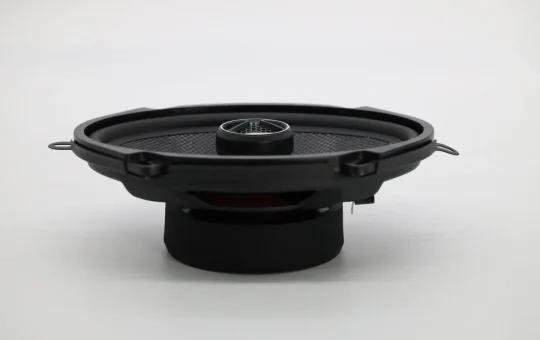
Most in-ceiling speakers are of the two-way type. The woofer is responsible for bass and midrange frequencies and the tweeter is responsible for higher frequencies.
Two way best in ceiling speakers are suitable for balanced sound and music, podcasts, TV and background noise on a daily basis.
Stereo Input Models
Some in-ceiling speakers have two voice coils or two tweeters to enable one speaker to play both left and right stereo channels.
In small spaces like bathrooms, hallways or small kitchens, it may not be possible to install a pair of these best in ceiling speakers.
Angled In-Ceiling Speakers
Ceiling speakers are best angled when they are facing a listening position and not facing down.
This type of design can be a good approach in home theaters, front channel applications, or other spaces where users are located outside of the speaker array location.
Home Theater Height Speakers
There are some in-ceiling speakers that are used for overhead effects in the immersive surround systems.
The best ceiling speakers can do when paired with an AV receiver can create the effects of height for film, games, and streaming media that are compatible with the speaker.
Speaker Sizes
The in-ceiling speakers come in various driver sizes, of which the 6.5″ and 8″ drivers are popular options in home audio.
Larger drivers might offer more powerful output and fuller midbass in larger rooms, while smaller best in ceiling speakers can be more easily installed in smaller spaces.
Prior to installation, inspect the ceiling cavity and joist spacing, as well as insulation, ducting, pipes, electrical wiring and mounting depth.
Power Handling
Power handling is important when choosing the best in ceiling speakers. Most products provide recommended amplifier power or RMS handling information.
The in-ceiling speakers should be paired with clean power that fits the manufacturer’s recommended range. An amplifier that is badly matched or driven into clipping can reduce sound quality and potentially damage the speakers.
Do not select the best in ceiling speakers only by the largest wattage number. Consider sensitivity, impedance, room size, amplifier output, listening distance, and expected volume together.
Impedance and Amplifier Matching
Different in-ceiling speakers may have different impedance ratings, commonly 4, 6, or 8 ohms depending on the design.
The amplifier or AV receiver should be stable with the connected load. This becomes especially important when multiple best in ceiling speakers are connected to one amplifier or multi-zone system.
Correct impedance matching helps the in-ceiling speakers and amplifier operate more reliably.
Sensitivity and Efficiency
Sensitivity indicates how efficiently a speaker converts amplifier power into sound.
Two best in ceiling speakers with similar power ratings can still reach different volume levels because of differences in sensitivity, driver design, crossover design, and room acoustics.
Higher sensitivity can be helpful when the best in ceiling speakers are powered by a modest receiver or when multiple rooms need comfortable listening levels.
Sound Character
The sound of the in-ceiling speakers depends on the driver materials, cabinet or back-box design, tweeter type, crossover, room acoustics, and installation position.
Some best in ceiling speakers aim for warm and relaxed listening, while others are tuned for more detailed highs or stronger output.
For balanced sound, the in-ceiling speakers should be positioned and tuned as part of the entire audio system rather than treated as isolated components.
Using In-Ceiling Speakers for Music
The best in ceiling speakers can work well for background music and casual stereo listening.
In kitchens, dining rooms, bedrooms, and open living spaces, the best in ceiling speakers can distribute sound evenly without adding visible speaker boxes.
For focused stereo listening, careful spacing and left-right placement can help create better imaging.
Using In-Ceiling Speakers for Home Theater
The in-ceiling speakers can also be used in home theater systems, especially for surround and overhead channels.
For immersive formats, the best in ceiling speakers should be placed according to the receiver setup and the layout of the seating area.
If the speakers are being used as front channels, angled models may help direct sound toward the listener.
Placement
Good placement is essential for the in-ceiling speakers.
Avoid placing the best in ceiling speakers too close to walls, corners, large ceiling fixtures, HVAC vents, or each other unless the manufacturer recommends it.
For stereo systems, try to keep the listening area centered between the left and right speakers.
Installation Depth
The in-ceiling speakers require enough space above the ceiling for the speaker basket, wiring, mounting clamps, and any back box.
Before cutting a hole, use a stud finder and inspect the space for joists, plumbing, ductwork, and electrical cables.
Careful planning is especially important with the best in ceiling speakers because moving the opening later may require ceiling repair.
Wiring
Use suitable in-wall or in-ceiling rated speaker cable where required by local building rules.
The best in ceiling speakers should be connected with correct polarity so left and right channels remain in phase.
For long cable runs or higher-power systems, heavier-gauge wire may be appropriate.
Back Boxes and Enclosures
Some in-ceiling speakers can be used with optional or built-in back boxes.
A back box may help control sound leakage into rooms above the ceiling and can make performance more predictable.
Not every model requires one, so follow the instructions for the specific best in ceiling speakers you purchase.
Moisture-Resistant Models
Bathrooms, covered patios, and humid areas may require in-ceiling speakers designed for moisture exposure.
Standard indoor speakers should not automatically be used in damp locations.
Check whether the best in ceiling speakers are rated for the environment before installation.
Paintable Grilles
Many best in ceiling speakers include low-profile magnetic or snap-on grilles.
Some grilles can be painted to match the ceiling, helping the speakers blend into the room.
If painting the grilles, follow the manufacturer’s instructions so the perforations do not become blocked.
Best Uses
The in-ceiling speakers can be suitable for:
- Living-room music
- Kitchen audio
- Bedroom listening
- Whole-home audio
- Home theater height channels
- Surround sound
- Office background music
- Hallways
- Dining areas
- Covered outdoor spaces when properly rated
- Multi-zone audio systems
For each use, the best in ceiling speakers should be selected according to room size, desired volume, amplifier power, ceiling construction, and listening goals.
Advantages
A major advantage of the in-ceiling speakers is space saving. They provide sound without using floor stands, shelves, or visible wall-mounted cabinets.
Another benefit is clean room design. Once installed, the best in ceiling speakers can look discreet and organized.
They can also provide broad coverage in large or open rooms when several speakers are positioned correctly.
Limitations
The in-ceiling speakers are less flexible after installation than bookshelf or floor-standing speakers because the ceiling opening fixes their location.
Installation can also be more complicated because cable routing and ceiling cutting are required.
In addition, the best in ceiling speakers may need a separate subwoofer if deep bass is a priority.
In-Ceiling Speakers vs Bookshelf Speakers
Bookshelf speakers are easier to move and can create strong stereo imaging when placed at ear level.
The best in ceiling speakers provide a cleaner look and save usable room space, but their overhead position can make the soundstage feel different from traditional stereo speakers.
For background music and multi-room listening, the in-ceiling speakers are often especially practical.
In-Ceiling Speakers vs In-Wall Speakers
In-wall speakers are installed vertically in a wall, while the best in ceiling speakers are installed overhead.
Wall-mounted designs may place sound closer to ear level, while ceiling models can provide broader room coverage and a less visible installation.
The in-ceiling speakers may be preferable when wall space is limited or when the homeowner wants a very clean appearance.
Are They Good for Bass?
The best in ceiling speakers can reproduce useful midbass, especially models with larger woofers and well-designed enclosures.
However, deep sub-bass usually requires a dedicated subwoofer.
Pairing the best in ceiling speakers with a subwoofer can create a fuller system for movies, electronic music, hip-hop, and other bass-heavy content.
Are They Good for Large Rooms?
The in-ceiling speakers can work in large rooms when enough speakers are used and spacing is planned correctly.
A large open area may need several best in ceiling speakers rather than one pair to maintain even coverage.
Amplifier power, ceiling height, room shape, and listening volume should all be considered.
Who Should Buy Them?
The in-ceiling speakers are a good fit for homeowners who want integrated audio with minimal visual clutter.
They also suit people building whole-home systems, home theaters, kitchens, offices, or renovation projects where wiring can be installed before the ceiling is finished.
Buyers who want a permanent, clean audio setup may find the best in ceiling speakers especially appealing.
Who May Want Something Else?
Listeners who frequently rearrange rooms may prefer portable, bookshelf, or wireless speakers instead of the in-ceiling speakers.
People who want precise ear-level stereo imaging without installation work may also prefer traditional speakers.
Renters should check whether ceiling modifications are allowed before installing the best in ceiling speakers.
Buying Checklist
Before ordering the best in ceiling speakers, check:
- Speaker diameter and cutout size
- Mounting depth
- Woofer and tweeter design
- RMS or recommended amplifier power
- Impedance
- Sensitivity
- Frequency response
- Stereo or mono configuration
- Angled or fixed driver design
- Moisture resistance if needed
- Back-box compatibility
- Grille style
- Ceiling joist spacing
- Wiring access
- Room size and ceiling height
- Home theater or music use
- Number of audio zones
- Subwoofer plans
A careful checklist makes it easier to choose the in-ceiling speakers that match the complete system.
Final Thoughts
The best in ceiling speakers can provide clean, convenient, and room-filling audio while keeping the room free from large visible speaker cabinets.
The strongest results come from matching the in-ceiling speakers with the correct amplifier, room size, wiring, placement, ceiling depth, and listening purpose.
Instead of choosing only by price or maximum wattage, focus on the full system. Proper installation, good placement, suitable amplification, and careful setup can be just as important as the speaker itself.
FAQs
What are the best in ceiling speakers?
The best in ceiling speakers are flush-mounted speakers that combine suitable sound quality, wide coverage, compatible power handling, practical installation, and features that match the intended room.
Do in-ceiling speakers need an amplifier?
Yes, most in-ceiling speakers are passive and require an AV receiver, stereo amplifier, or multi-zone amplifier.
Are in-ceiling speakers good for music?
Yes. The best in ceiling speakers can work well for background music, casual stereo listening, and multi-room audio when positioned correctly.
Can in-ceiling speakers be used for home theater?
Yes. The in-ceiling speakers can be used for surround channels, overhead effects, and in some systems even front channels.
What size should I choose?
Many best in ceiling speakers use 6.5-inch or 8-inch woofers. The ideal size depends on room size, ceiling space, bass expectations, and installation depth.
Do I need a subwoofer?
A subwoofer is not mandatory, but the in-ceiling speakers usually sound fuller with one when deep bass is important.
How far apart should in-ceiling speakers be?
Spacing depends on ceiling height, dispersion angle, room shape, and seating position. The best in ceiling speakers should be placed to provide even coverage without large gaps.
Can I install them in a bathroom?
Only use best in ceiling speakers that are specifically rated for humid or moisture-prone locations.
Can one speaker play stereo sound?
Some in-ceiling speakers use dual tweeters or dual voice coils and can reproduce both stereo channels from one ceiling location.
What should I check before buying?
Check cutout size, mounting depth, impedance, power handling, sensitivity, room size, placement, wiring, and amplifier compatibility before choosing the best in ceiling speakers.