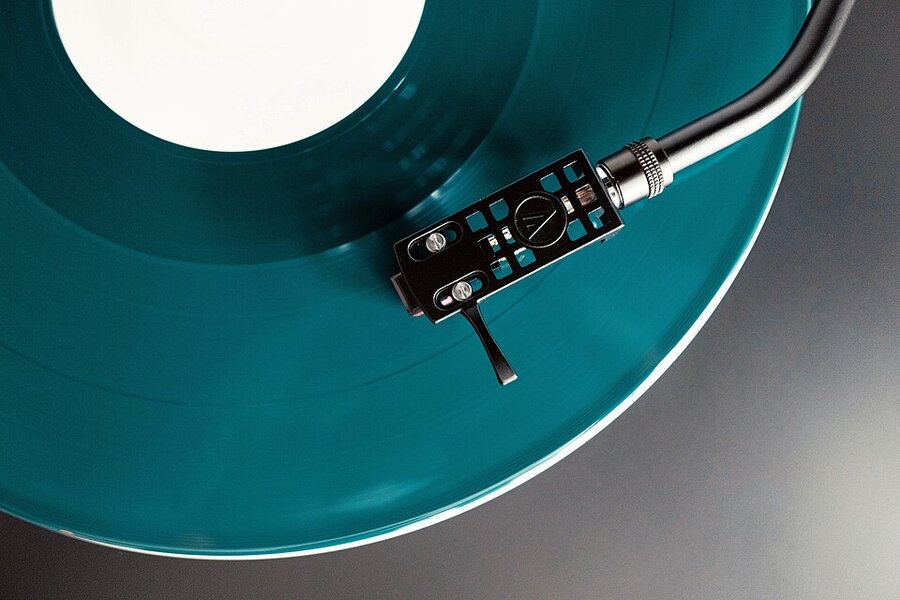
There are many modern amps that are not equipped with a phono input. A phono stage is required to play records. A few of the most popular budget choices include the Mani 2 phono preamp. This guide will include what it is, how to install it and if it is compatible with your system.
Mani 2 phono preamp is a compact MM/MC phono stage from Schiit Audio built and designed in Texas. It has four gain settings (35dB, 45dB, 50dB, 60dB), adjustable loading and a switchable low frequency filter. Low noise OPA1612 op-amp, it is a DC coupled design. It was reviewed at $149, making the Mani 2 phono preamp a good budget option for those who use moving magnet or moving coil pick-ups.
What Is the Mani 2 Phono Preamp?
The Mani 2 phono preamp is the second version of Schiit’s original Mani. It is located between your turntable and your amp or headphone amp.
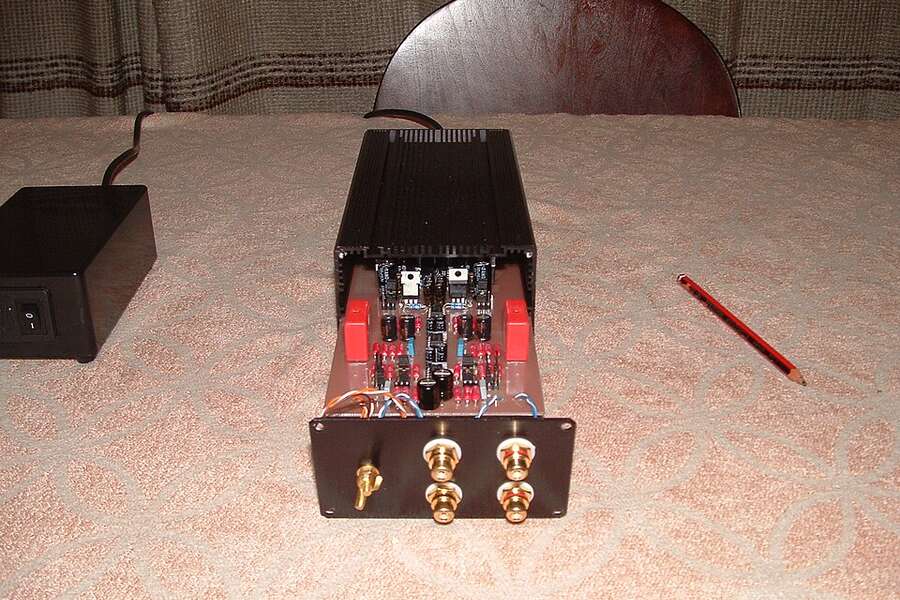
For related advice, read our guides to what a preamp does, choosing an old turntable and powered speakers for a turntable.
A phono preamplifier has two purposes:
- It is used to amplify the extremely weak signal that the cartridge transmits.
- It includes RIAA equalization to restore the proper bass and treble balance.
If this is not done, the record will sound weak and weak. Compact and lightweight (≈ 1 lb.).
Key specs at a glance
For more hi-fi reviews and analogue advice, see Stereophile.
|
Feature |
Detail |
|
Cartridge support |
MM, MC, and MI |
|
Gain options |
35, 45, 50, 60dB |
|
Op-amp |
Texas Instruments OPA1612 |
|
RIAA network |
Passive |
|
Topology |
DC-coupled |
|
Power rails |
+/-16V |
|
Low-frequency filter |
Switchable 1-pole or 2-pole |
|
Price in reviews |
$149 (check current price) |
How the Mani 2 Phono Preamp Is Built
Mani 2 is a phono preamp featuring TI's new low-noise OPA1612 opamp with a passive RIAA network made of 2% film capacitors and 0.1% thin-film resistors. Parts that contribute to accuracy and low noise.
It is also completely DC coupled. The original Mani had three capacitors in the signal path while Mani 2 had no capsules. This is one of the reasons for the better sound quality, as there are less parts in the path.
Gain Settings Explained
The most critical setting of the Mani 2 phono preamp is gain. Less than optimal gain is under optimal. Overloading will result in noise or distortion.
Use this as a general guide:
|
Gain |
Typical use |
|
35dB |
High-output cartridges, including Decca types |
|
45dB |
Standard moving magnet cartridges |
|
50dB |
Low-output MM or high-output MC |
|
60dB |
Low-output moving coil |
Always check your cartridge’s output rating first. If you are unsure, start low and move up.
Loading and Low-Frequency Filter
The preamp is affected by a change in loading when the cartridge is loaded. A good match enhances tone and detail. The Mani 2 phono preamp has switchable resistive and capacitive loading, so you can fine-tune it.
One reviewer commented that the 47pF internal plus the typical cable capacitance provides a built-in value of around 100pF making it suitable for most MM cartridges. Always check your cartridge maker’s recommended load.
The 6dB/12dB low-frequency filter is also included in the unit. This can help reduce rumble on a warped record or loud turntable.
Mani vs Mani 2
|
Area |
Mani |
Mani 2 |
|
Noise |
Higher |
Much lower |
|
Distortion (THD) |
Higher |
Much lower |
|
Topology |
Capacitor-coupled |
DC-coupled with DC servo |
|
Power rails |
Lower |
+/-16V (32V total) |
|
Low-frequency filter |
Not highlighted |
Switchable 6dB or 12dB |
Schiit says these gains are “way lower” in noise and THD. If you own the first Mani, the upgrade is meaningful.
What Reviewers Say About Sound
The original Mani had a mixed reception. AnalogPlanet called it only “okay” and criticized its opaque sound.
The Mani 2 phono preamp got a better response. The same reviewer reported bottom-end weight and control, plus warmth with detail, and said it re-sets the bar for under-$200 MM/MC phono preamps.
Remember that reviews are opinions. Your cartridge, cables, and speakers will shape what you hear.
Setup Tips
Follow these steps for a safe setup:
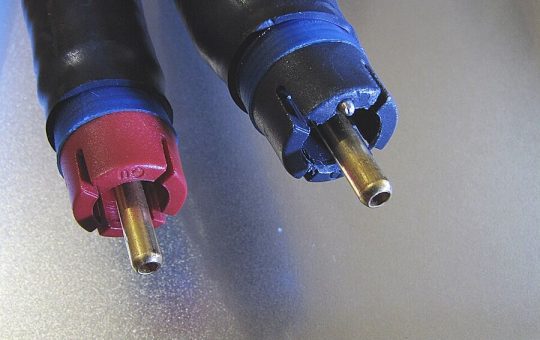
- Connect your turntable’s RCA cables to the Mani 2 phono preamp inputs.
- Attach the turntable ground wire to the ground post.
- Connect the outputs to your amp or headphone amp.
- Plug in the included wall power supply.
The manual also gives two key warnings:
- Turn on the Mani 2 phono preamp first, before other components.
- Turn down your amp before changing gain settings.
The switches are on the bottom, so you will need to flip the unit to change them.
Who Should Buy It?
The Mani 2 phono preamp suits:
- Beginners who need a first phono stage.
- Owners of both MM and MC cartridges.
- Anyone who wants flexible gain and loading on a budget.
You may want to skip it if:
- Your turntable or amp already has a good built-in phono stage.
- You want a simple plug-and-play box with no adjustments.
- You prefer front-panel controls.
Final Thoughts
The Mani 2 phono preamp offers a lot for its price: low noise, four gain choices, loading options, and a rumble filter. It works with MM, MC, and MI cartridges, so it can grow with your system.
Its main trade-off is the bottom-mounted switches, which are less convenient than front-panel controls. For most budget vinyl setups, that is a small price to pay.
If you want a flexible, well-reviewed phono stage, the Mani 2 phono preamp deserves a spot on your shortlist. Check your cartridge specs, pick the right gain, and enjoy your records.
FAQs
Is the Mani 2 phono preamp good for moving magnet cartridges?
Yes. The 45dB setting fits standard MM cartridges, and the loading options help with matching.
Can the Mani 2 phono preamp handle moving coil cartridges?
Yes. It supports MC and MI cartridges. Higher gain settings (50 or 60dB) suit lower-output MC models.
Which gain should I choose?
Check your cartridge’s output voltage. Use 45dB for most MM cartridges and higher settings for low-output MC models.
Does it need an external power supply?
Yes. It runs from an included wall power supply.
Is the Mani 2 worth upgrading to from the original Mani?
Likely yes. It has lower noise, lower distortion, and a DC-coupled design.
Do I need it if my turntable has a built-in preamp?
Not always. A separate phono stage like this is an upgrade path if you want more control and better sound.