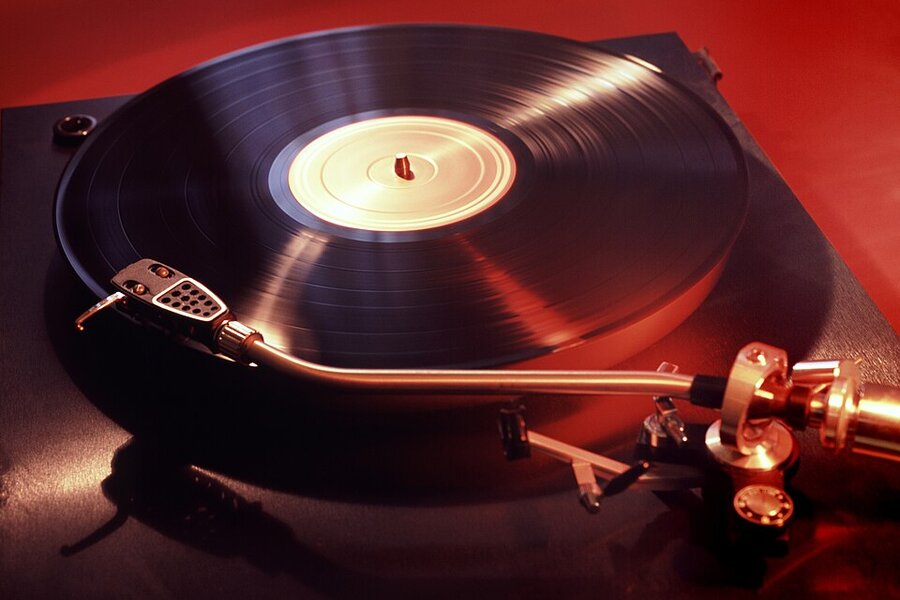
Perhaps you discovered an old turntable in your relative's attic. Perhaps you're considering purchasing one at a flea market. Anyway, there are easy and actionable steps below.
However, it's not as easy to own it as it is to plug it in. As the belts, cartridges and wiring age, they lose effectiveness. This guide will discuss what to look for, how to install it and how to maintain it.
Why an Old Turntable Still Appeals to Listeners
There are many older decks constructed using thick platters, solid plinths and metal components. I'm not saying people are still looking for them today due to the sturdy build, but maybe.
For related advice, read our guides to what to check before buying a used turntable, belt-drive vs direct-drive turntables and the best Bluetooth record players.
Yet another one is repairs. There are options to replace most parts on a vintage deck. Belts, stylus tips and cartridges are much cheaper and can be easily replaced, meaning that a worn part doesn't necessarily mean the end of the machine.
An additional benefit of a well maintained old turntable is that it could cost less than a new turntable of the same quality. It's not always less expensive, but it can be a great value when you select the right one.
There is no one "best era" of sound; it's personal. However, older record players can offer a cosy and soothing tone that numerous listeners favor.
For more reviews and hi-fi advice, see What Hi-Fi?.
Main Types of Old Turntable Designs
The knowledge of the drive type is useful to make predictions about repairs. Most of the vintage decks can be classified into three types.
Belt-drive: A thin rubber belt is used to keep the motor and platter connected. This design will be characterized by low motor noise. Over time the belt may stretch, but is easily replaceable.
Direct Drive: A motor located under the platter. They are quick to start-up and have stable speed. These are highly sought after by DJs & collectors. They can be equipped with long life motors.
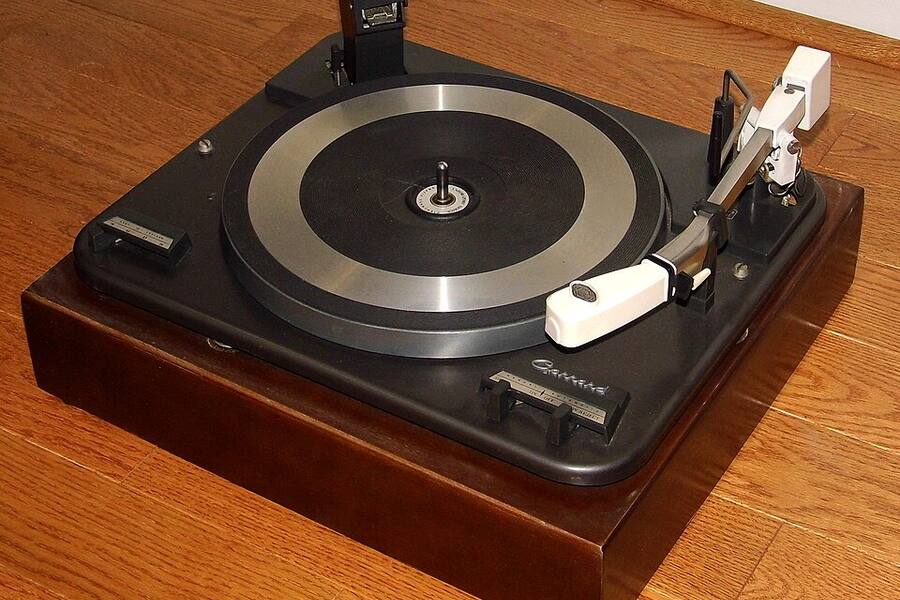
Idler-wheel: A rubber wheel transfers the rotation of the motor to the platter. It is used on vintage decks such as Garrard and Lenco. Rumble is a potential problem as the wheel can become hardened over time.
Every design comes with its own advantages. Choose which one you can afford and if you're okay with repairs.
How to Inspect an Old Turntable Before Buying
Take your time. A quick look will help you save time and money. If you view a used deck, use the following list:
- Check for cracks and deep scratches in the dust cover and plinth.
- Hand-spinning of platter. It ought to roll easily and slowly.
- Carefully slide the tonearm. It must not be wobbly, it must swing freely.
- Check the stylus. If it's not there or is bent, you should plan to replace it.
- If the disc offers both, try both speeds: 33 and 45 RPM.
- Check power cord and audio cables for fraying.
- Please ensure that the feet and the lid hinges are included.
- Have the seller play a record (if possible). The hum, speed changes or one channel dropping out will be heard.
If you don't have the opportunity to check out the old turntable, see if you can get the price down to offset that risk.
Common Problems Found in an Old Turntable
Most faults are common and fixable. Here are the ones you will see most often.
A worn or stretched belt. The platter turns too slowly or unevenly. Fitting a new belt usually solves it.
Dried lubricant. Old oil in the platter bearing can get thick or dirty. This can cause noise or sluggish rotation. A careful clean and fresh oil often helps.
A worn stylus. A tired stylus can sound harsh and may harm your records. Replace it before you play your favorite albums.
Humming sound. This is often caused by a loose ground wire or poor cable connections. Check these first.
Speed drift. Notes sound slightly high or low. The cause may be a belt, a motor, or a dirty speed switch.
Still, repairs add up. A heavily damaged old turntable may cost more to fix than it is worth.
How to Set Up Your Old Turntable Step by Step
A careful setup protects both your records and your equipment. Follow these steps in order.
- Choose a stable spot. Use a flat, solid shelf. Keep the deck away from speakers, because vibration can cause feedback.
- Level the deck. Place a small bubble level on the platter. Adjust the feet until it sits flat.
- Fit the platter and belt. For belt-drive decks, loop the belt around the motor pulley and the platter's inner rim. Follow the maker's manual for the exact path.
- Mount the cartridge. Attach it to the headshell and align it using a printed alignment protractor.
- Balance the tonearm. Set the counterweight so the arm floats level. Then set tracking force to the value listed for your cartridge.
- Set anti-skate. This keeps the stylus centered in the groove. Many guides suggest matching it to the tracking force as a starting point.
- Connect the cables. Plug the audio leads into your phono input, and attach the ground wire if your deck has one.
Take extra care with tracking force. Too much weight can wear a record faster. Too little can cause skipping. A low-cost digital stylus gauge makes this step easy.
What You Need to Play Records With a Vintage Deck
A turntable's signal is very quiet. It also needs special amplification called RIAA equalization. Both of these are done by a phono preamp.
There are some amplifiers with built-in phono input. Otherwise, buy an individual phono preamp.
If an old turntable is connected directly to a normal line level input, the sound is likely to be thin and weak.
After passing through the preamp you will require an amplifier for powered speakers or powered speakers. It's on the backside of your deck. Some models have a preamp inbuilt, be sure to check the label before purchasing additional items.
How to Clean and Maintain Your Old Turntable
A well-maintained deck will be dependable and your records will be also. Just a very simple exercise will suffice.
- Use a soft microfiber cloth to dust plinth and lid.
- Use a stylus brush (carbon fibre or stylus) to brush the stylus back and forth.
- Before playing, use a carbon fibre brush or the proper record cleaning solution to clean the records.
- When not in use, cover the dust cover.
- Only moves parts of the oil as indicated in the manual. Excess oil will cause dust to gather, or oil to leak onto the belt.
Refrain from using strong household cleaners on plastic or finished wood. Do not allow liquid to flow into the motor or platter bearing.
Regularly inspect belt. If shiny, loose or cracked replace.
When to Restore or Upgrade Your Vintage Deck
Restore only what it's necessary to restore. Use a new belt, stylus and a clean. The little things can bring a deck back to life.
Consider a new cartridge, better platter mat or isolation feet for better sound. These changes are easy and can be reversed.
Before you upgrade your old turntable, take its collector value into account. Other models are more useful if the original parts are kept in tact. Remove and save parts.
In the event of motor fault, damaged wiring or arm bearing problem, seek the advice of a competent technician. Improperly rushed repairs can lead to greater problems.
Final Thoughts
With an old turntable, patience is the key. Asks you to choose a song and then listen to it from start to finish.
If a deck is well chosen and set up correctly, and maintained properly, a vintage deck can last and provide service for many years. Keep it basic, protect the data, and only upgrade when it's needed.
Stay safe, know your deck and enjoy the heat of vinyl. The reward is a personal and everlasting listening experience.
FAQs
Is an old turntable worth buying?
It can be, if you check the condition first and budget for a new belt or stylus. Good vintage decks offer solid build quality and are often repairable. Avoid units with major motor or tonearm damage.
How much does repair usually cost?
It varies widely. A belt or stylus is often inexpensive. Motor, wiring, or arm repairs can cost much more. Get a quote before you commit to a major fix.
Can an old deck damage my records?
Yes, if the stylus is worn or the tracking force is wrong. Check the stylus and set the weight correctly before you play valuable records.
Do I need a phono preamp?
Yes, unless your amplifier or deck already has one built in. Without it, the sound will be quiet and lack bass and clarity.
Can I connect it to Bluetooth speakers?
Yes. Run the deck through a phono preamp first. Then connect the preamp's output to a Bluetooth transmitter, which sends sound to wireless speakers. Some people use an old turntable this way for easy living-room listening, though a wired setup usually keeps the best sound.
How often should I replace the stylus?
Exact life depends on the stylus type and how you use it. Many makers suggest checking it after several hundred hours of play. Look for the cartridge maker's advice, and replace the stylus if you hear distortion.