Buying a used car means checking a vehicle’s mechanical condition, service history, ownership documents, and price before completing the purchase. This includes checking the engine, tires and body for wear and damage, looking at the maintenance history and also checking for outstanding loans as well as other legal problems that may be associated with the vehicle and finally test driving the car. A comprehensive inspection helps to prevent the buyer from being blindsided by issues and costly repairs later on.
One of the most important things to remember is that you will save a lot of cash when you purchase a used car over a new car. But it also presents potential dangers which a brand new vehicle doesn’t have. All used cars have their history and not everything is shared upfront. That’s why it is important to do some research before giving any money.
This guide will guide you through the practical checks you should run before purchasing any used car, be it from a dealership or a private individual.
Check the Vehicle’s Service and Maintenance History
Seeing the car in person is not necessary, ask for service history. If the car is well-maintained, it will have records of regular oil changes, tire rotations, and any significant repairs.
Search for uniformities in the records. If no service is provided for a year or more, it could be a warning sign. If they don’t have any records on hand, it doesn’t definitively mean that the car is a bad car but it does mean that you will need to pay more attention to the physical inspection.
Ask specific questions too:
- Has the timing belt or chain ever been replaced?
- Were the brakes serviced recently?
- Has the car ever been in an accident?
- Is there a reason the owner is selling now?
Honest sellers usually answer these questions without hesitation. Vague or evasive answers are worth noting.
Verify the Car’s Ownership and Legal Status
This step is often omitted and is one of the most essential steps. A confirmation that the car owner is the actual owner of the car, and that the car is not subject to any loans, liens, or legal matters.
Request the title and compare the name on the title with the seller’s. If a lienholder is listed on the title, the seller must pay off that debt prior to a clean sale.
Another way to get the history on a car is to get a vehicle history report from the VIN (Vehicle Identification Number). These reports usually provide the following information:
- Accident history
- Number of previous owners
- Odometer readings over time
- Title issues, such as salvage or flood damage
- Whether the car was ever reported stolen
A clean history report does not necessarily mean that a car will be perfect, but it is certainly not a good sign to have a bad report.
Inspect the Exterior and Body Condition
Walk around the car slowly and look at it from different angles. Uneven panel gaps, mismatched paint color, or ripples in the bodywork can point to previous accident repairs.
Here’s what to look for:
- Paint consistency – Check if the paint color matches across all panels, especially near doors and the trunk.
- Rust spots – Look underneath the car, around wheel wells, and near the exhaust for early signs of rust.
- Panel alignment – Doors, hood, and trunk should close evenly without gaps or sticking.
- Glass and lights – Check for cracks in the windshield or headlights, which can be costly to replace.
A magnet can help too. If it doesn’t stick to certain body sections, that could mean body filler was used to hide dents, which is often a sign of past collision damage.
Examine the Tires and Suspension
A lot more than people think is revealed from tires. If the tires come across with uneven wear patterns, it may be an alignment problem, a suspension issue or maybe even a bent frame.
Make sure that all four and spares have an adequate tread depth. If one tyre is worn down more that the other ask why. It may be because it was replaced later, or there might be a deeper mechanical problem.
Cut and sink down on every corner of the car and come up. A healthy suspension will return to its normal position in one bounce. However, if the car continues to bounce, the shocks or struts may require replacement in the near future and this is not an inexpensive repair.
Look Under the Hood
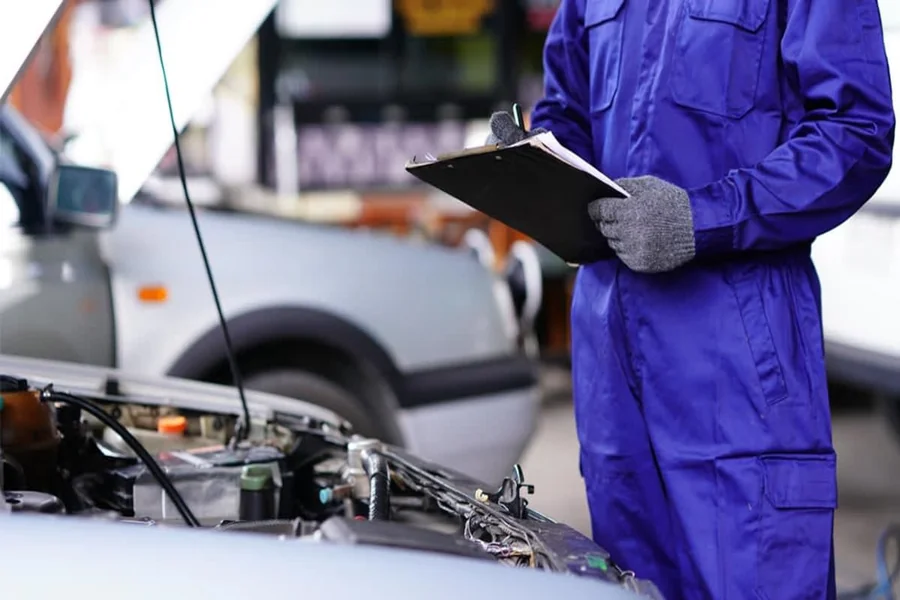
Popping the hood tells you a lot about how the car has been cared for. Look for leaks, corrosion, and general cleanliness.
Check these areas specifically:
- Oil level and color – Dark, gritty oil suggests infrequent changes. Milky oil could point to a more serious internal issue.
- Coolant reservoir – Should be filled to the correct level with no signs of rust or debris.
- Belts and hoses – Look for cracking, fraying, or soft spots.
- Battery terminals – Corrosion here is common but should be minimal, not heavy.
If you’re not confident in inspecting an engine yourself, this is a good moment to bring along a friend who knows cars, or better yet, pay a trusted mechanic to look it over before you commit.
Test Drive the Car Thoroughly
A short spin around the block isn’t enough. Take the car on a mix of roads, including highway speeds if possible, to see how it handles under different conditions.
Pay attention to:
- How the car starts, especially from cold
- Unusual noises when accelerating, braking, or turning
- Whether the steering pulls to one side
- How smoothly the transmission shifts
- Whether the brakes feel responsive or spongy
- Dashboard warning lights that come on
Turn off the radio during part of the drive so you can actually hear the car. Odd sounds are often the first sign that something needs attention.
Get a Pre-Purchase Inspection
One of the best things one can do is to have an experienced mechanic do a comprehensive inspection even though the car appears and operates well. This is typically available for a small price and can help you avoid a big error.
During a test drive, a mechanic can identify other issues that may not be apparent, like damaged engine mounts, early signs of trouble in the transmission, or a previous accident to the frame. Many will also perform a diagnostic test to diagnose any error codes stored, even if there are no warning lights that are on.
When a seller is unwilling to give you an independent inspection, it’s a major red flag.
Confirm the Mileage Matches the Car’s Condition
Odometer reading should be consistent with the wear and tear on the vehicle. The odometer numbers in a very low mileage car with worn pedals, sagging driver’s seat and worn steering wheel may have been tampered with.
Compare the mileage to the service records too. If the figures do not match those recorded for each service call, request an explanation from the seller.
Although odometer fraud has become a rarity, particularly when digital records are kept, it does occur. A speedy cross-check will save you from paying a car that’s been used much longer than you’re told.
Research the Fair Market Price
Once you’re confident in the car’s condition, it’s time to make sure the price is fair. Look up similar makes, models, and years in your area to get a sense of the going rate.
Factors that affect price include:
- Mileage relative to the car’s age
- Overall condition and any cosmetic wear
- Service history and upcoming maintenance needs
- Regional demand for that specific model
- Whether the car comes with any remaining warranty
If the asking price seems unusually low compared to similar listings, that’s worth investigating rather than celebrating. It could mean the seller needs to sell quickly, or it could mean there’s a problem they haven’t disclosed.
Final Thought
Buying a used car doesn’t have to feel like a gamble. The problem is not the used car market, but rather a failure to follow the proper steps. Spend time on the paperwork, thoroughly examine the vehicles and don’t pass up on the pre-purchase inspection for a few dollars.
It may save you thousands of dollars and much frustration if you can take a few extra hours and check it now. If you’re not sure, leave and continue searching. Of course, there will always be another vehicle available for sale, but a car with hidden issues can be much more expensive than it is advertised to be.