Pangea Speaker Stands: Complete Buying Guide to Models, Features, Setup Tips and Sound Benefits for Better Hi-Fi Performance at Home
Many people don’t realize the importance of where their speakers are placed. A bookshelf speaker that is mounted on a bookshelf or desk will tend to sound boomy, blurry or thin.
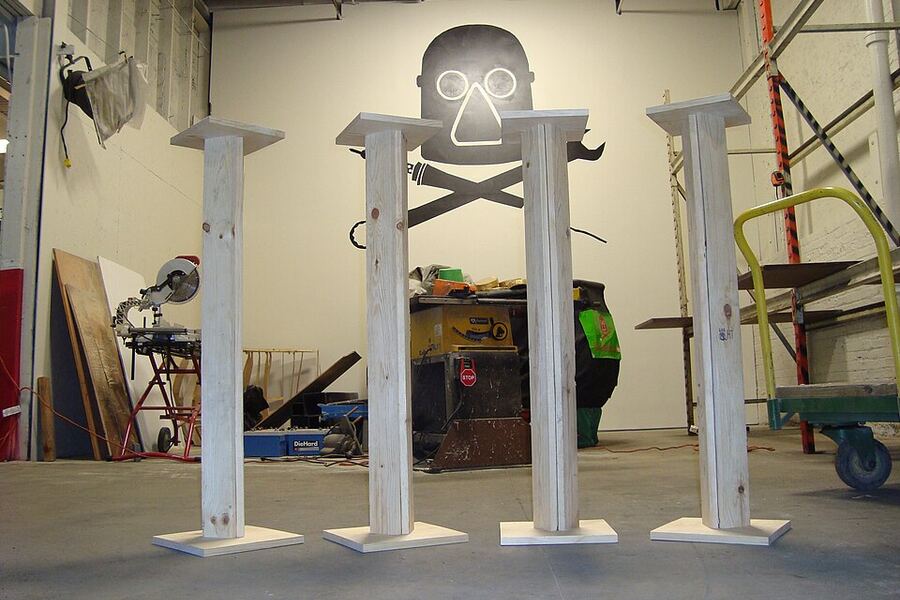
One of the most popular solutions to this issue are pangea speaker stands. They are made by Pangea Audio and they are manufactured of heavy-duty, affordable steel supports. You will learn about the workings behind Pangea speaker, the distinction between the various models and the appropriate pair for your room.
What Are Pangea Speaker Stands?
Compact monitor/bookshelf speakers come with all-steel stands that are designed to be used with Pangea speakers. The stand has to be supported by a set of columns, with a top plate and a bottom plate.
For related advice, read our guides to choosing speakers for your room size, bookshelf versus floorstanding speakers and 2 channel speaker placement.
Wood is a common material used to manufacture speaker stands. Malleable but not as stiff as wood, Pangea Audio says this is why wood is not suitable to use for stands. Because steel is a more secure material for a speaker, Pangea chose that material.
Pangea offers two main product lines, the LS300, and the DS400. They are both steel, but have different designs. These are all described below.
Why Speaker Stands Matter for Sound Quality
A speaker isn’t just moving air. It also vibrates its own cabinet and the surface that it stands on! The surface may be weak or wobbly, leading to unwanted noise in the music.
For more reviews and hi-fi advice, see What Hi-Fi?.
A good stand is beneficial in three ways:
- Enhanced height: when seated, tweeters will rise.
- Less vibration: A “rigid base” will have more stability of the speaker plate, which can help to tighten the bass.
- Explain: soundstage: If the speaker is not against a wall, furniture, etc., then there is better imaging.
This explains why audio enthusiasts will not have bookshelf speaker stands but rather stands for books, desks or TV cabinets.
Key Features of Pangea Speaker Stands
Pangea speaker stands possess a number of helpful characteristics. Here are the shows you’ll see.
- All steel construction: The structure is made of steel and not wood or particle board.
- Carpet-piercing spikes: The stand bottom spikes can be adjusted to pierce the carpet to ensure the stand’s stability. They also can assist you in leveling the stand.
- Rubber top pads: Soft pads to isolate speaker from top plate.
- Compact top plates: Plates fit a variety of monitor-type speakers and bookshelf speakers.
- More than one height: For each line, there will be more than one height; you can match your sitting height.
These features are also simple to utilize, which is simply one of the allure of them. It’s not just a design question of looks, it’s a strength and stability question.
Pangea LS300: The Triangular Design
The simpler of the two Pangea speaker stands is the LS300. It is made with three large diameter steel columns that are connected to a top plate and a bottom plate. This forms a triangular pattern and because Pangea claims their strong and cheap, it is easier to purchase them.
The top plate on the LS300 is 6”x6”. It features bottom spikes which can be adjusted and four soft rubber pads. It comes in four heights, which means you can find the height you need in order to listen in your listening chair.
This type is the best for people that want a strong stand but don’t want to invest a lot of cash. Perfect for small and medium sized bookshelf speakers. It also supports desktop screens, if you select a lower height.
Pangea DS400: The Heavy-Duty Option
The sturdier of the Pangea speaker stands is the DS400. It has four rectangular steel support piers rather than the standard three round columns. Pangea says it’s a sturdier foundation for smaller monitors, bookshelf speakers.
The retail specifications list a 6″ x 8.5″ top plate on the DS400. The bottom plate thickness is 3mm and its size is 9.75″ x 12″. The piers are joined to the base plate by two large bolts. This is one of the two major enhancements over the much older DS300, says Pangea.
The DS400 also has 4 rubber top pads, as well as of carpet-piercing spikes which can be adjusted. Sand or other mass can be put in its piers to decrease the vibrations further. The heights are different depending on the retailer, so be sure to verify before purchasing.
Note: The depth of the top plate is greater than the LS300 plate. This added depth can be suitable for larger bookshelf speakers.
LS300 vs DS400: Quick Comparison
Choosing between these Pangea speaker stands is easier when you see the main differences side by side.
|
Feature |
LS300 |
DS400 |
|
Support design |
Three steel columns |
Four rectangular piers |
|
Top plate |
6″ x 6″ |
6″ x 8.5″ |
|
Bottom plate |
Steel plate |
3 mm steel, 9.75″ x 12″ |
|
Sand-fillable |
Not listed |
Yes |
|
Best for |
Small to mid-size speakers |
Larger or heavier speakers |
If your speakers are small and light, the LS300 is usually enough. If your speakers are bigger or heavier, the DS400 gives you more room and more rigidity.
How to Choose the Right Pangea Speaker Stands
If you make some basic checks, you can find the right stands.
- Make sure you have a correct speaker size. Take the measurement of the bottom of your speaker. Make sure that it can fit in the upper plate of the stand. If it hangs over the plate it may look strange, and may not be quite so stable.
- Calculate the speaker’s mass. Check the product listing to find out the weight limit. You’ll find weight limits on how much each speaker can hold on one retailer; just be sure to check the number for the size you intend to purchase.
- Select the correct height. Sit in your regular listening position. Ears must be in line with the tweeters. The distance from the floor to the ear is measured and then the speaker’s height and the thickness of the stand plate are deducted.
- Consider your flooring. These spikes can be used on carpet. When applied on hardwood and tile, apply floor protectors or floor discs under spikes to avoid scratching the surface.
- Match your room. Black steel will look shiny in most environments. Take the look of the stands that are close to your furniture into account.
Setup Tips for Pangea Speaker Stands
Setting up Pangea speakers is simple but there are many nitty-gritty details.
- Set up on a level surface. Make sure that all bolts are tightened in turn so that the stand does not lean.
- Level the stand. Adjust spikes to make top plate level. Use of a small bubble level helps.
- First install the rubber pads. Place pads on top plate before placing the speaker down.
- Avoid having speaker close to walls. Remember to leave a bit behind and to the side of each speaker for cleaner bass.
- Toe in slightly. Make the speakers slightly towards the listener and listen. Fine-tune to get the center image in focus.
- Repeat after 1 week. It can take some time for hardware to settle and should be certain that it is level and tight.
Sand can be placed on top of the piers of the DS400 to increase its weight. Read the directions and be sure to position the stand in the desired location before filling it, as it will be quite heavy when assembled.
Pros and Cons of Pangea Speaker Stands
Pros
- Strong all-steel construction
- Such a great value for the quality!
- Product is equipped with spikes and rubber pads
- Several heights and choice of designs
- Simple, clean look
Cons
- This is true when a watch is considered plain verses a top dollar designer.
- Larger speakers can be a problem with top plates being too small.
- The more the model weighs, the harder it will be to pull the model.
- Spikes can cause damage on hard floors if not protected!
Who Should Buy Pangea Speaker Stands?
Pangea speaker stands are appropriate for any customer:
- This is for the hi-fi newcomer who wishes to improve his book shelf speaker.
- For those who want small surround speakers with stands, they will find this to be an ideal addition to their home theater setup.
- Any user who has a desktop and/or a studio who needs stable monitor speaker stands at a suitable height.
- For anybody who prefers steel over wood, and is looking to save a few bucks while doing so.
If you have large floor standing speakers, you can do without any speaker stands at all. Before you do anything else, if you have very large bookshelf speakers, check to see if the top plate is wide enough.
Final Thoughts
To become a good speaker, one should have a good foundation! A solid base at a reasonable price is provided at each spot for Pangea speaker with practical options such as spikes, rubber pads and multiple heights.
With its small and medium-sized speaker support, the LS300 is also a good choice for smaller speakers. The DS400 will be the obvious choice for larger, heavier speakers or those who wish a more sturdy, sandable stand.
Measure your speaker(s) and read the weight restrictions and choose your speaker/height of your seat. With a little patience in preparation and adjustment, the Pangea speaker stand should enhance the clarity and focus of your music.
FAQs
Are Pangea speaker stands worth buying?
For many buyers, yes. Pangea speaker stands offer steel construction, spikes, and rubber pads at a modest price. They are best for compact bookshelf and monitor speakers.
What is the difference between the LS300 and DS400?
The LS300 uses three steel columns and a 6-inch by 6-inch top plate. The DS400 uses four rectangular piers, a larger top plate, and a thicker base. The DS400 is the more heavy-duty design.
What height should I choose?
Choose a height that places the tweeters near your ear level when you sit. Measure your seated ear height, then subtract your speaker height and the stand plate.
Can I use Pangea speaker stands on hardwood floors?
Yes, but protect the floor. The spikes are designed to pierce carpet, so use discs or protectors under them on hard surfaces.
Do Pangea speaker stands fit all bookshelf speakers?
Not always. Check your speaker’s bottom dimensions and weight against the top plate size and weight guidance for the model you want.
Do speaker stands really improve sound?
A stable stand at the right height can improve imaging and help control bass. The gain depends on your speakers and room, but a solid stand removes a common weak point.